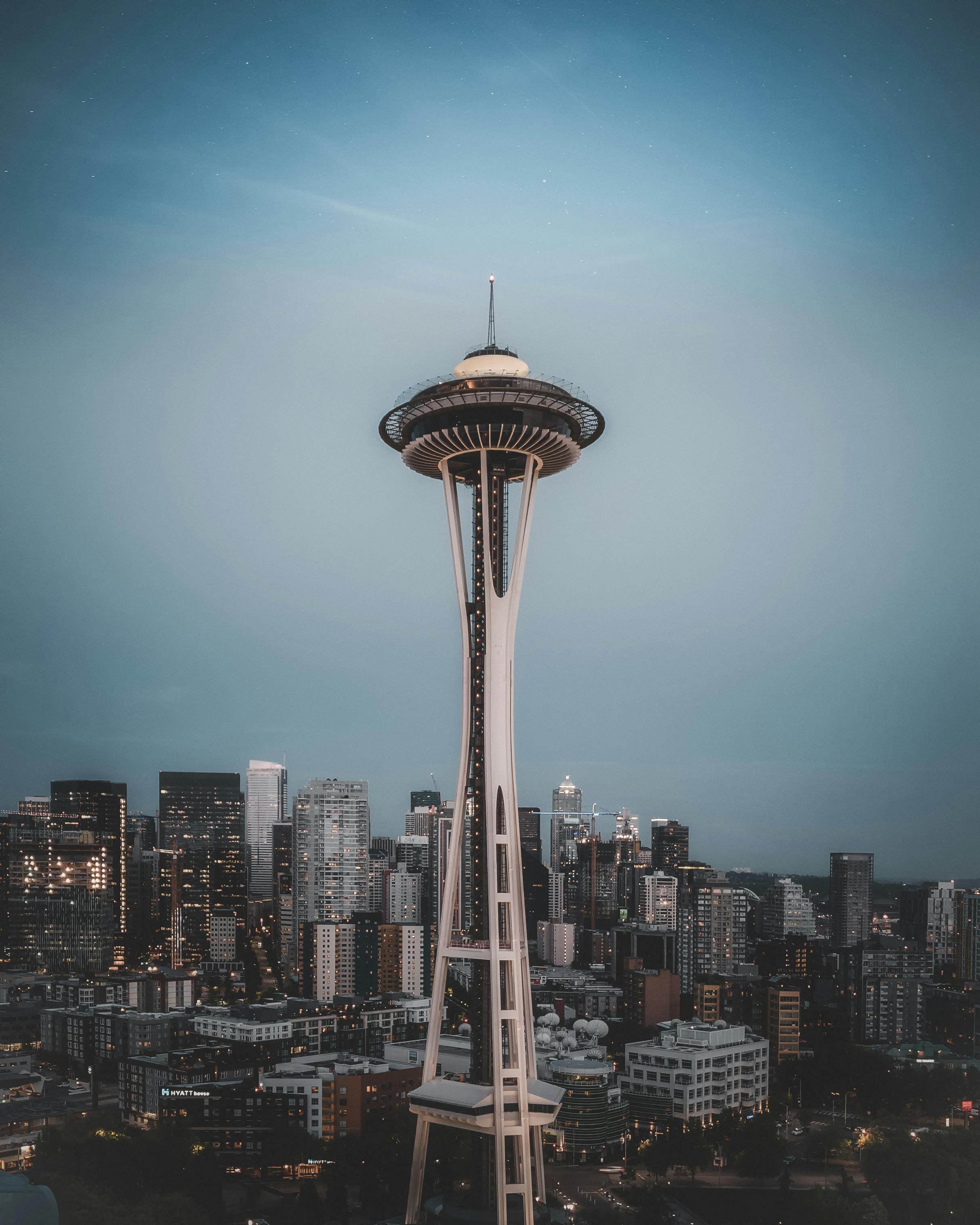
Denver vs Seattle: Which Should You Visit?
Seattle wins for most travelers — a more iconic, walkable city with Pike Place Market, a working waterfront, standout seafood and coffee, and access to three national parks and the San Juan ferries. The catch is the gray: it's cloudy and damp much of the year, glorious only in summer. Choose Denver for reliable sunshine — around 300 sunny days — exceptional skiing within two hours, a strong craft-beer scene, and noticeably lower costs. Denver is the better base for the Rockies and a winter ski trip; Seattle is the better all-around city break and Pacific Northwest launchpad. Budgets run about $40 a day lower in Denver, and flights from the East are shorter and cheaper. Pick Seattle for the city, the water, and the food; pick Denver for sun, slopes, and value.
Mubboo Verdict: Seattle wins for most travelers — a more iconic, walkable city with Pike Place Market, a working waterfront, better seafood and coffee, and access to three national parks, provided you accept the frequent gray skies. Choose Denver for reliable sunshine, exceptional skiing within two hours, a strong craft-beer scene, and lower costs. Seattle is the better all-around city break; Denver is the better Rocky Mountain base.
Prices from 800+ airlines · Book direct, get direct support
The short answer
Pick Denver: Go to Denver if you want sunshine, skiing, craft beer, lower prices, and a base for the Rocky Mountains.
Pick Seattle: Go to Seattle if you want an iconic, walkable city with great food, water and ferries, and three national parks within reach.
Do both: Pair them only with 10-plus days and an appetite for both the Rockies and the Pacific Northwest — they're a 3-hour domestic flight apart.
Denver vs Seattle, category by category
| Dimension | Denver | Seattle | Winner |
|---|---|---|---|
| Iconic city sights | LoDo, Union Stationpleasant, modest | Pike Place, Space Needledenser must-sees | Seattle ✓ |
| Skiing & winter sports | Vail, Breck, Aspen <2h30+ resorts | Crystal, Stevens Passfewer, smaller | Denver ✓ |
| National parks | Rocky Mountain NPone, ~1.5h | Rainier, Olympic, Cascadesthree within reach | Seattle ✓ |
| Sunshine & dry weather | ~300 sunny daysdry, crisp air | Gray Oct-Maygreat only in summer | Denver ✓ |
| Food & coffee | Beer halls, green chilesolid, growing | Seafood, Pike Place, coffeedeeper scene | Seattle ✓ |
| Getting around | Car-reliant, some railsprawl | Light rail, ferries, walkabledenser core | Seattle ✓ |
| Value (daily cost) | ~$185/day mid-rangecheaper rooms | ~$225/day mid-rangetech-priced | Denver ✓ |
| Water & scenery | Plains to peaksno coast | Puget Sound, islandsferries, orcas | Seattle ✓ |
| Overall | Seattle wins 5 of 8 categories | ||
Denver
LoDo, Union Station
pleasant, modest
Seattle
Pike Place, Space Needle
denser must-sees
Denver
Vail, Breck, Aspen <2h
30+ resorts
Seattle
Crystal, Stevens Pass
fewer, smaller
Denver
Rocky Mountain NP
one, ~1.5h
Seattle
Rainier, Olympic, Cascades
three within reach
Denver
~300 sunny days
dry, crisp air
Seattle
Gray Oct-May
great only in summer
Denver
Beer halls, green chile
solid, growing
Seattle
Seafood, Pike Place, coffee
deeper scene
Denver
Car-reliant, some rail
sprawl
Seattle
Light rail, ferries, walkable
denser core
Denver
~$185/day mid-range
cheaper rooms
Seattle
~$225/day mid-range
tech-priced
Denver
Plains to peaks
no coast
Seattle
Puget Sound, islands
ferries, orcas
Seattle wins 5 of 8 categories
Budget face-off (5 days, 4 nights)
| Per person / day | Denver | Seattle |
|---|---|---|
| Budget | $110/daycheaper | $130/day |
| Mid-range | $185/daycheaper | $225/day |
| Comfort | $370/daycheaper | $450/day |
| Flights from NYC | Nonstop from NYC (JFK/EWR) to DEN, ~4h30m, from $140 round-trip | Nonstop from NYC (JFK/EWR) to SEA, ~6h, from $180 round-trip |
Denver wins on cost: Denver is the cheaper trip by roughly $40 a day mid-range, with shorter, lower-cost flights from the East.
Compare prices month by month:
Search flights & hotels to Denver
Search flights & hotels to Seattle
The dimensions that decide it
The mountains: skiing vs national parks
Denver
Denver's whole pitch is the Rockies on your doorstep, and for snow it's unmatched. Exceptional resorts — Vail, Breckenridge, Keystone, and Aspen — sit one to two hours west on I-70, so a ski day is genuinely a daytrip, and the season runs deep from December into spring.
In summer, Rocky Mountain National Park is about 90 minutes out, with high-alpine trails, and Boulder's foothills offer quick hikes. The altitude means you're starting at 5,280 feet and climbing fast, so acclimatize before a big effort.
For a trip organized around skiing or fast access to genuine high country, Denver is the better base, full stop — no major US city puts exceptional slopes this close.
Seattle
Seattle counters with range rather than ski lifts. Three national parks — Mount Rainier, Olympic, and North Cascades — sit within two to three hours, covering glaciated volcanoes, temperate rainforest, and empty Pacific beaches on the Olympic Peninsula.
Add the San Juan Islands by ferry, whale-watching, and the alpine lakes of the Cascades, and the variety of landscapes beats anything near Denver. The downside is logistics: the best of it needs a car and a full day, and the weather is far less dependable outside summer.
Skiing exists at Crystal Mountain and Stevens Pass but doesn't rival Colorado's. For diverse, dramatic nature on a non-ski trip, Seattle wins.
Denver wins for skiers and quick high-alpine access; on a non-ski outdoors trip, the two are close.
The city itself
Denver
Denver is a likable, low-key city, but it's not why most people come. The LoDo district, Union Station, and the Larimer Square area give downtown a walkable, brick-warehouse charm, and there's a solid museum and a strong sports culture across five pro teams.
The Denver Art Museum and Red Rocks Amphitheatre — a stunning concert venue 30 minutes out — are real highlights. But the core is compact and the city sprawls into car-dependent suburbs quickly.
You'll likely treat Denver as a comfortable launchpad: a day or two in town, then off to the mountains. As an urban destination on its own, it's pleasant rather than essential.
Seattle
Seattle is a genuine destination in its own right. Pike Place Market — the fish-throwing, flower-stalled original — anchors a dense, walkable core that runs from the waterfront and the Seattle Aquarium up to the Space Needle and Chihuly Glass.
Ferries glide across Puget Sound from downtown piers, the light rail connects the airport to the center, and neighborhoods like Capitol Hill and Ballard each have their own food and bar scene. There's real cultural depth too: the grunge-music legacy, the Museum of Pop Culture, and an excellent waterfront redevelopment.
You can spend three or four days here without leaving the city and never run short of things worth doing.
Seattle wins clearly — a denser, more iconic, more walkable city than Denver's launchpad core.
Weather & sunshine
Denver
Denver's climate is a major selling point. The city claims around 300 sunny days a year, the air is dry, and even cold winter days are often bright and clear — great for skiing under blue skies.
Summers are warm, with highs near 90°F in July, but low humidity keeps it comfortable, though fast-moving afternoon thunderstorms are common. Spring and fall deliver crisp, sunny stretches ideal for hiking. The altitude makes the sun intense, so sunscreen matters year-round.
For travelers who plan trips around reliable sunshine and dry air — and who don't mind a cold snap or a sudden storm — Denver is one of the surer bets in the country.
Seattle
Seattle's gray reputation is earned, with a catch. From October through May the city is frequently overcast and drizzly, with short, dim winter days that genuinely affect some visitors' moods.
The surprise is that total rainfall is lower than New York's or Miami's — it's the persistence of clouds, not the volume of rain, that defines it.
Then summer flips the script entirely: July through September is reliably dry, sunny, and around 75°F, with long evenings and Mount Rainier on the horizon, arguably the best big-city summer weather in America.
The lesson is simple: time a Seattle trip for summer and the weather becomes an asset rather than a liability.
Denver wins on year-round sunshine; Seattle only matches it in its glorious but short summer.
Food, coffee & culture
Denver
Denver's scene is solid and improving, led by its beer. It's one of America's craft-brewing capitals, home to the Great American Beer Festival and a dense map of taprooms, and the brewery crawl is a legitimate Denver activity.
The food has grown up — Southwestern flavors, green chile, strong tacos, and a wave of ambitious restaurants in RiNo and LoHi — but it's a younger scene without a signature cuisine. Coffee is good, not iconic. The cultural calendar leans outdoors and sports rather than museums and music history.
You'll eat and drink well in Denver, especially if beer is your thing, but it's a supporting pleasure rather than a headline reason to visit.
Seattle
Seattle's food and coffee are central to its identity. This is the birthplace of the modern coffee movement, and the cafe culture runs deep beyond the original Starbucks at Pike Place.
The seafood is exceptional — Dungeness crab, oysters, and salmon pulled from cold Pacific waters — and Pike Place Market itself doubles as a food destination.
Add a strong Asian-American culinary presence, a serious cocktail scene, and the city's outsized music legacy from Hendrix to grunge, and the cultural depth is real. A $84 Pike Place coffee-and-breakfast tour is a fitting introduction.
For travelers who travel to eat, drink, and absorb a scene, Seattle clearly outpaces Denver.
Seattle wins clearly — exceptional seafood and coffee and a deep music culture outclass Denver's beer-led scene.
Which one is right for you?
Made your choice? Search flights:
When to go
Denver — best
March-May and September-November bring mild, sunny days; December-March is prime ski season in the nearby Rockies.
Seattle — best
July-September is the sweet spot — reliably dry, sunny, and around 75°F, with long evenings and clear mountain views.
Sweet spot for both: September is excellent in both — Seattle stays dry and warm while Denver turns crisp and golden.
Avoid: Skip Seattle's gray November-February unless you want low-season deals, and Denver's coldest January days if you don't ski.
Getting there from the US
| From | Denver | Seattle |
|---|---|---|
| New York | Nonstop from NYC (JFK/EWR) to DEN, ~4h30m, from $140 round-trip off-peak | Nonstop from NYC (JFK/EWR) to SEA, ~6h, from $180 round-trip off-peak |
| Los Angeles | LAX to DEN nonstop, ~2h30m, from $90 round-trip | LAX to SEA nonstop, ~2h45m, from $90 round-trip |
| Chicago | ORD/MDW to DEN nonstop, ~2h45m, from $110 round-trip | ORD to SEA nonstop, ~4h30m, from $150 round-trip |
| Airlines | United (Denver hub), Southwest, Frontier (based in Denver), Delta, American | Alaska (Seattle hub), Delta (Seattle hub), United, American, JetBlue |
| Flight time | ~4h30m from New York, ~2h45m from Chicago, ~2h30m from LA | ~6h from New York, ~4h30m from Chicago, ~2h45m from LA |
Denver vs Seattle FAQ
Is Denver or Seattle more expensive?
Denver is cheaper — expect about $185 a day mid-range versus $225 in Seattle, with lower hotel and dining costs and shorter, cheaper flights from the East Coast. Seattle's tech-driven prices push hotels and restaurants higher. Transfer Chase Ultimate Rewards or Amex points to Alaska or Delta to cut either fare.
Which is better for a first visit?
Seattle. Pike Place Market, the Space Needle, the waterfront, and ferry rides on Puget Sound give it a denser, more walkable set of must-sees. Denver's appeal is really the mountains beyond it; the city itself is pleasant but lighter on iconic sights for a first-timer.
Which is better for outdoor adventures?
It splits by season and style. Denver wins for skiing — Vail, Breckenridge, and Aspen sit within two hours — and quick high-alpine hikes in the Rockies. Seattle wins for variety, with Mount Rainier, Olympic, and North Cascades national parks plus island ferries all within reach.
Does it really rain that much in Seattle?
It's more gray than torrential — Seattle sees lots of cloudy, drizzly days from October to May, but less total rainfall than Miami or New York. The payoff is a spectacular, dry summer from July to September with long days and 75°F highs. Pack a rain shell, not an umbrella.
Do I need to worry about Denver's altitude?
A little. At 5,280 feet, some visitors feel short of breath or headachy the first day. Drink extra water, ease up on alcohol, and don't tackle a 14,000-foot peak on day one. Most people adjust within 24-48 hours, and the dry mountain air is part of the appeal.
When is the best time to visit each?
Visit Seattle July-September for its dry, sunny summer — the city at its best. Denver is great March-May and September-November for mild, sunny days, with December-March prime for skiing. Avoid Seattle's gray November-February stretch unless you're chasing low-season deals.
Plan either trip
Denver
More comparisons
Some links on this page are affiliate links, at no extra cost to you.