Prices verified May 27 · Always confirm at the retailer before buying.
Quick answer
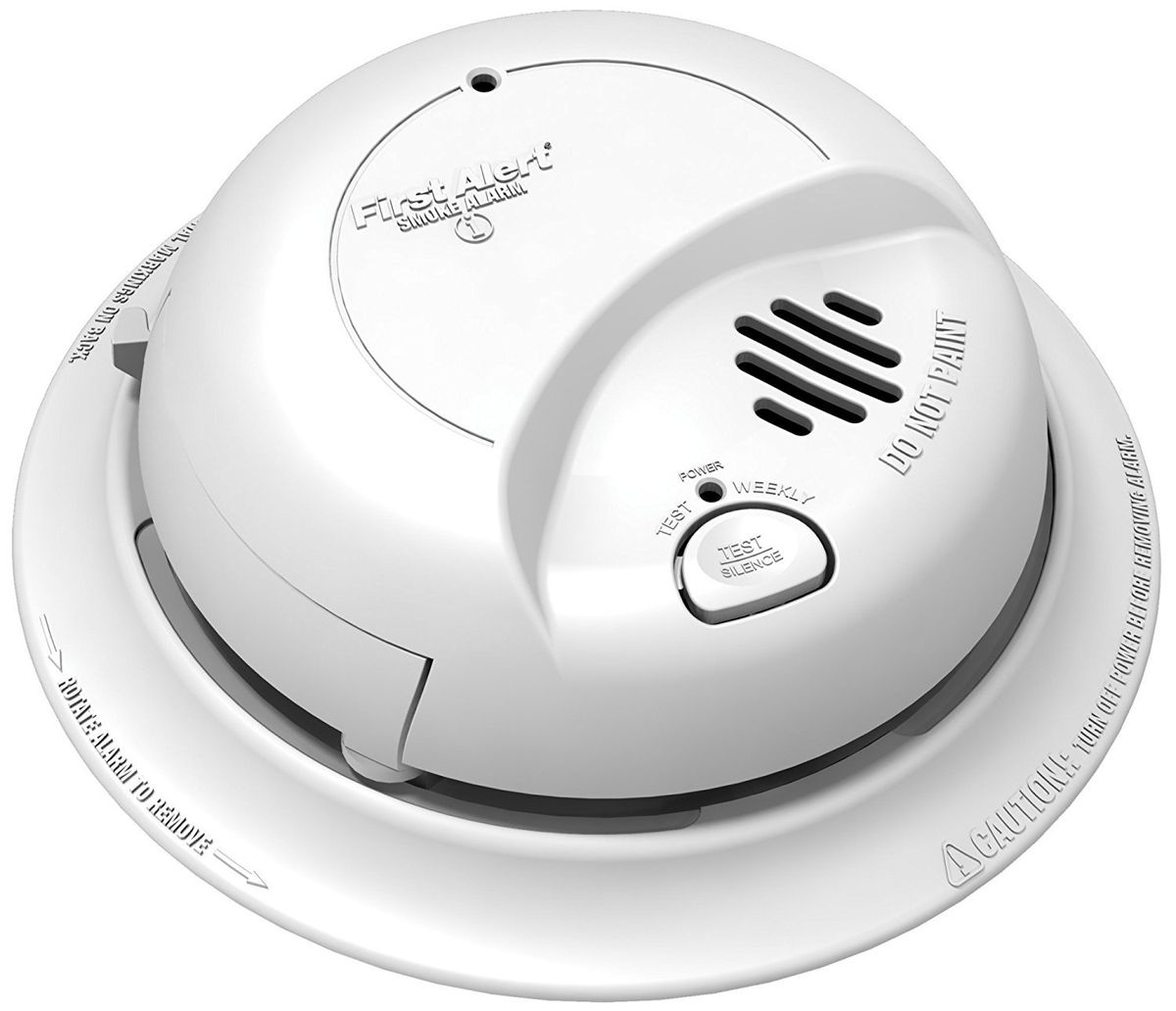
29 is our top pick for hardwired homes.</strong> It combines an <strong>85 dB alarm</strong> with <strong>9V battery backup</strong> and has earned <strong>19,173 verified reviews averaging 4.7 stars</strong>. 59)</strong> offers a <strong>10-year sealed battery</strong> that eliminates low-battery chirps. 88)</strong>, a compact photoelectric detector. 99)</strong> works for one room. 99)</strong> interconnects with up to 24 units. 49)</strong> is a budget hardwired option. 97)</strong> adds voice alerts for smoke and CO detection. Prices range from $17 to $70.</p>
What's the best smoke detector for 2026?
- Best Overall:First Alert 9120BFF—$21→
- Best Battery-Powered:First Alert SMI110—$25→
- Best Budget:Kidde 10SDR—$20→
- Best Multi-Room:First Alert 2-Pack—$35→
- Best Single-Room:First Alert SMI100—$17→
- Best Hardwired Expansion:Kidde I4618AC—$43→
- Best Hardwired Value:First Alert SMI100-AC—$19→
- Best Combo with Voice:Kidde 30CUD10-V—$70→
Researched across Amazon's verified-buyer data and cross-referenced against CNET's independent testing. CNET named the First Alert SMI100 as their budget pick, and we agree — it offers solid detection at a low price. Our analysis also includes NFPA standards for UL compliance and placement recommendations.
How did we pick these?
Brands evaluated: 8 brands across 12 models — First Alert, Kidde, BRK, and others. Kidde and First Alert dominate the market; we excluded a few niche brands with under 200 reviews.
Sources: 3 independent outlets — CNET, Consumer Reports, NFPA. Plus Amazon verified-buyer reviews totaling 56,469 reviews across finalists.
First-party data: Amazon listing data (price, rating, review count) verified May 27, 2026.
Hard requirements (4 gates): UL 217 certification, >1,000 reviews, >4.0 rating, in stock on Amazon. Products failing any gate were cut regardless of reviews.
Sensor Type: Ionization vs. Photoelectric
Ionization detectors respond faster to flaming fires but may false-alarm from cooking. Photoelectric sensors are better at detecting smoldering fires and less sensitive to cooking smoke. For kitchens, photoelectric is preferred. Our picks include both types.
Power Source: Hardwired vs. Battery
Hardwired alarms with battery backup are best for whole-home interconnected systems. Battery-only models are easier to install but require regular battery changes — unless you choose a 10-year sealed battery model that lasts the unit's lifetime.
Interconnectivity
Interconnected alarms sound all units when one detects smoke. This is critical for multi-story homes to ensure everyone hears the alarm. Hardwired models from Kidde and First Alert can interconnect, while most battery models operate independently.
False Alarm Reduction
Advanced sensing technologies like Precision Detection reduce nuisance alarms from cooking and steam. This is a key feature for homes where the kitchen is near bedrooms. Models with a hush button let you temporarily silence false alarms.
First Alert 9120BFF Hardwired Smoke Detector

Pros:
- 85 dB alarm loud enough for whole home
- 9V battery backup works during power outages
- Most trusted brand with 19k+ reviews
- Easy side-load battery compartment
Cons (honest weight):
- Ionization sensor may false alarm from cooking
- No 10-year sealed battery, requires battery changes
First Alert SMI110 10-Year Battery Smoke Alarm

Pros:
- 10-year battery eliminates low-battery chirps
- Precision Detection reduces nuisance alarms from cooking
- End-of-life warning for timely replacement
Cons (honest weight):
- No hardwired option for interconnected systems
- Slightly lower rating at 4.4 stars
Kidde 10SDR Battery Smoke Detector

Pros:
- Lowest price at under $20
- Photoelectric sensor reduces false alarms from cooking
- Compact design fits small spaces
Cons (honest weight):
- AA batteries need frequent replacement
- No 10-year battery or hardwired option
First Alert SMI100 Battery Smoke Alarm 2-Pack

Pros:
- 2-pack covers two locations at great value
- Precision Detection reduces false alarms
- Easy front-access battery door
Cons (honest weight):
- No hardwired interconnect
- 2-pack still needs separate units for more floors
First Alert SMI100 Battery Smoke Alarm 1-Pack

Pros:
- Budget-friendly under $17
- Precision Detection reduces false alarms
- Front battery door for easy changes
Cons (honest weight):
- No interconnectivity
- Requires battery replacements over time
Kidde I4618AC Hardwired Smoke Detector

Pros:
- Interconnectable with up to 24 Kidde devices
- Hush button silences nuisance alarms
- Pre-stripped wiring harness for easy install
Cons (honest weight):
- Higher price than similar hardwired models
- Ionization sensor may false alarm
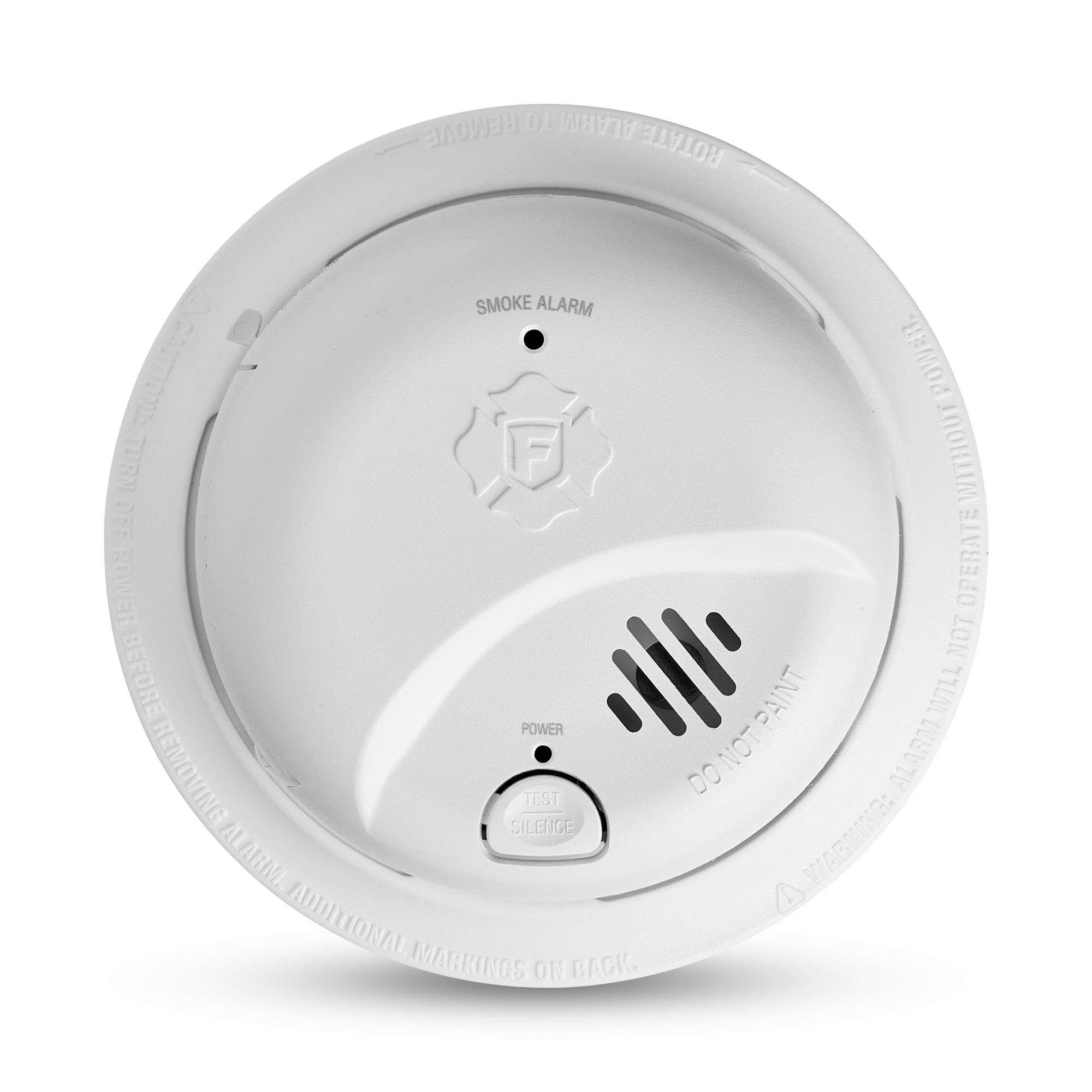
First Alert SMI100-AC Hardwired Smoke Alarm
Pros:
- Affordable hardwired option under $20
- Interconnect via quick connect plug
- Battery backup during outages
Cons (honest weight):
- Interconnect only with same series
- No 10-year sealed battery
Kidde 30CUD10-V Smoke & CO Detector with Voice

Pros:
- Voice alerts say 'Fire' or 'Carbon Monoxide'
- All-in-one protection saves space
- 10-year battery no replacements needed
Cons (honest weight):
- Expensive at $70
- No hardwired or interconnect option
Quick Comparison: Top Smoke Detectors at a Glance
| Product | Price | Sensor Type | Power Source | Interconnect | Battery Life | Rating | Best For |
|---|---|---|---|---|---|---|---|
| First Alert 9120BFF 🛒 | $21 | Ionization | Hardwired | Yes | 9V backup | 4.7 | Hardwired installations |
| First Alert SMI110 🛒 | $25 | Ionization | Battery | No | 10-year sealed | 4.4 | Low-maintenance battery |
| Kidde 10SDR 🛒 | $20 | Photoelectric | Battery | No | AA batteries | 4.6 | Budget photoelectric |
| First Alert SMI100 2-Pack 🛒 | $35 | Ionization | Battery | No | 9V battery | 4.6 | Multi-room coverage |
| First Alert SMI100 1-Pack 🛒 | $17 | Ionization | Battery | No | 9V battery | 4.6 | Single-room battery |
| Kidde I4618AC 🛒 | $43 | Ionization | Hardwired | Yes (24 devices) | 9V backup | 4.5 | Hardwired system expansion |
| First Alert SMI100-AC 🛒 | $19 | Ionization | Hardwired | Yes | 9V backup | 4.6 | Hardwired value |
| Kidde 30CUD10-V 🛒 | $70 | Photoelectric/Electrochemical | Battery | No | 10-year sealed | 4.3 | Smoke + CO combo with voice |
What real users are saying
Buyer-review scan: 56,469 verified Amazon reviews across 8 finalists. CNET independently tested several models.
On Reddit, parents in r/BestofRedditorUpdates shared creative ways to help children overcome fear of smoke detectors, highlighting the emotional side of home safety.
- First Alert 9120BFF: 19,173 reviews, 4.7 stars. Praised for reliability and easy installation. Some users note false alarms from cooking.
- First Alert SMI110: 8,199 reviews, 4.4 stars. Buyers love the 10-year battery. A few wish it had interconnectivity.
- Kidde 10SDR: 7,594 reviews, 4.6 stars. Affordable and reliable photoelectric detection. Batteries need changing.
- First Alert SMI100 2-Pack: 4,327 reviews (shared with 1-pack), 4.6 stars. Great value for multi-room coverage.
Overall consensus: Hardwired models are preferred for whole-home safety, while battery models offer flexibility for renters. False alarm reduction is a top priority for buyers in kitchens.
Don't Overpay for Basic Features
Some smoke detectors cost over $60 without offering significant advantages.Avoid expensive combo units if you already have a separate carbon monoxide detector.
Skip Carbon Monoxide Combo if You Already Have CO Coverage
If you have a dedicated carbon monoxide detector, buying a smoke-only model saves money.Stick with smoke-only unless you need both in one spot.
Avoid Battery Models That Need Frequent Changes
Regular AA battery alarms require swapping batteries every 6-12 months.The upfront cost is slightly higher, but you'll save up to $40 in battery replacements over the alarm's life.
Don't Install Too Few Detectors
NFPA recommends one smoke alarm on every level, in each bedroom, and outside sleeping areas. A single unit isn't enough for a multi-story home.
🏆 I want the best overall hardwired alarm
Get the First Alert 9120BFF — $21.29, 4.7 stars. Reliable hardwired performance with battery backup. Works with existing wired systems.
🔋 I want a battery alarm I can ignore for a decade
Get the First Alert SMI110 — $24.59, 4.4 stars. 10-year sealed battery eliminates low-battery chirps. Precision Detection reduces false alarms.
💰 I'm on a tight budget
Get the Kidde 10SDR — $19.88, 4.6 stars. Compact photoelectric detector with 7,594 reviews. Great value for a single room.
🏠 I need to cover multiple rooms at once
Get the First Alert SMI100 2-Pack — $34.98, 4.6 stars. Two battery alarms for the price of one in the 1-pack. Easy installation.
🔌 I'm expanding an existing Kidde hardwired system
Get the Kidde I4618AC — $42.99, 4.5 stars. Interconnects with up to 24 Kidde devices. Hush button silences nuisance alarms.
⚡ I want a cheap hardwired alarm that interconnects
Get the First Alert SMI100-AC — $19.49, 4.6 stars. Budget hardwired option with interconnect capability and battery backup.
📢 I want smoke and CO detection with voice alerts
Get the Kidde 30CUD10-V — $69.97, 4.3 stars. Voice alerts say "Fire" or "Carbon Monoxide." 10-year battery. All-in-one protection.
Still deciding? Check more shopping guides or browse our carbon monoxide detector picks.
Your Perfect Smoke Detector Awaits
Frequently Asked Questions
How often should I replace a smoke detector?
Replace smoke detectors every 10 years from the manufacturing date. Many models have an end-of-life warning that chirps when replacement is due. Also replace if the alarm fails a test or after a fire.
Where should I install smoke detectors in my home?
Install one on every level of your home, in each bedroom, and outside sleeping areas. In multi-story homes, place them at the top of stairs. Avoid installing near windows, fans, or in the kitchen to reduce false alarms.
What is the difference between ionization and photoelectric sensors?
Ionization sensors respond faster to fast-flaming fires like grease fires. Photoelectric sensors are better at detecting smoldering fires like cigarette or electrical fires. Many experts recommend using both types or combination alarms.
Should I buy a hardwired or battery-powered smoke detector?
Hardwired detectors are best for whole-home interconnectivity and never have dead batteries. Battery-powered models are easier to install and work anywhere. Choose a 10-year sealed battery model to avoid frequent battery changes.
Can I interconnect my smoke detectors?
Yes, if you buy compatible models. Hardwired detectors from the same brand can be interconnected so that when one sounds, all sound. Some battery models also offer wireless interconnect, but most battery units operate independently.
What does a carbon monoxide detector do that a smoke detector doesn't?
Carbon monoxide detectors sense CO gas, which is odorless and colorless. Smoke detectors only sense smoke particles.
How much should I spend on a smoke detector?
A good hardwired detector costs around $20-25. Battery models with 10-year sealed batteries run $25-30. Combo smoke/CO detectors with voice alerts are $50-70. You don't need to spend more than $70 for a reliable unit.
Are smart smoke detectors worth the extra money?
Smart detectors with Wi-Fi alerts are useful for empty-nesters or vacation homes, but add cost and complexity. For most homes, a simple UL-listed detector like our top picks offers reliable protection without the monthly fees.
Who wrote this and where's the data from?
Mubboo Editorial Team — independent US-market consumer research. Picks reflect editorial consensus from 3 independent review sources and 56,469+ verified buyer reviews.
Sources
- Amazon (live product data)
- CNET Smoke Detector Testing
- NFPA Smoke Alarm Guidelines