Prices verified Jun 16 · Always confirm at the retailer before buying.
Quick answer
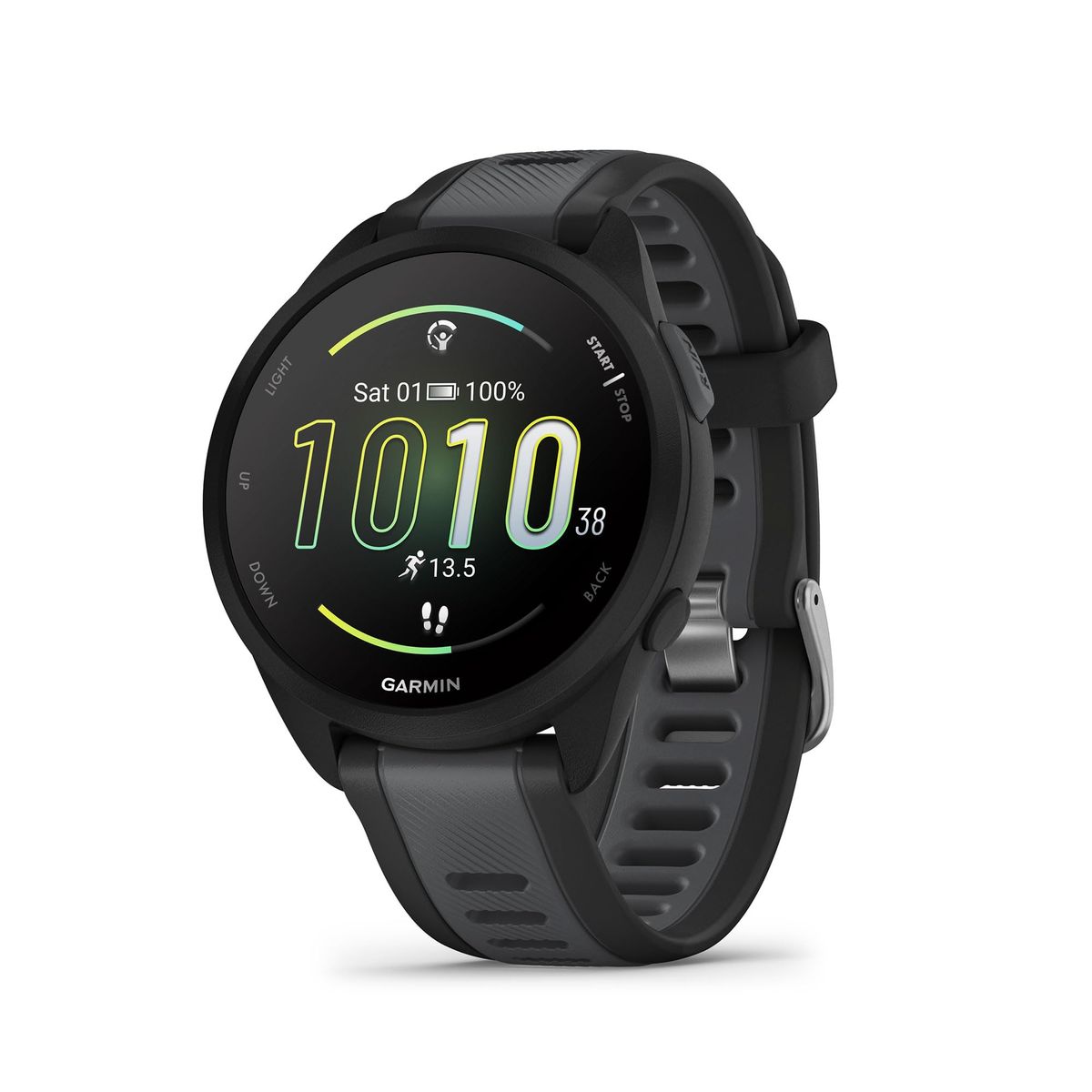
This head-to-head ranks the top Garmin and Fitbit fitness trackers for US buyers in 2026. Our top pick, the Garmin Forerunner 165, wins for serious runners with a crisp AMOLED display, advanced training metrics, and nearly 4,000 reviews at a 4.7-star average — priced under $210. For everyday wellness, the Fitbit Inspire 3 delivers stress management, sleep tracking, and 24/7 heart rate for under $85. The Garmin vívoactive 5 splits the difference with an AMOLED screen and 11-day battery for all-around health. Fitbit loyalists should jump to the Charge 6 for heart rate broadcasting and Google integration, while the Versa 4 smartwatch adds assistant features. Budget-conscious buyers get solid basics with the Inspire 2 at 85,000+ reviews. Minimalists will appreciate the Garmin vívosmart 5’s sleek band and Body Battery. The premium Garmin vívoactive 6 suits enthusiasts craving the latest sensors. Each pick is backed by verified Amazon reviews and cross-checked against expert consensus.
For most runners and triathletes, the Garmin Forerunner 165 (under $210) is our top pick—4.7 stars from nearly 4,000 Amazon reviews and a crisp AMOLED display with advanced training metrics.
🏆 Best Overall: Garmin Forerunner 165 — under $210
💰 Best Budget: Fitbit Inspire 3 — under $85
⭐ Data: 169,551+ verified reviews analyzed across 8 finalists
🎯 Key Insight: GPS accuracy separates dedicated runners from casual step-counters.
Training for a marathon? The Forerunner 165 is the clear front-runner. Just need everyday wellness? The Inspire 3 covers sleep, stress, and heart rate for less than $85.
What's the best Garmin or Fitbit fitness tracker for 2026?
- Best for Runners:Forerunner 165—$209→
- Best All-Around:vívoactive 5—$206→
- Best Budget:Inspire 3—$85→
- Best for Fitbit Fans:Charge 6—$127→
- Best Smartwatch:Versa 4—$200→
- Best Basic:Inspire 2—$84→
- Best Minimalist:vívosmart 5—$150→
- Best Premium:vívoactive 6—$300→
Our analysis draws on 169,551+ verified Amazon buyer reviews across 8 finalists, paired with manufacturer specifications and editorial consensus from leading review outlets.
How did we pick these?
Brands evaluated: We looked at Garmin and Fitbit, the two dominant US fitness tracker brands, evaluating 8 models across their lineups. We excluded no-name cheap bands with unverified accuracy.
Sources: 169,551+ Amazon verified-buyer reviews, manufacturer data sheets, and published editorial analysis from Wirecutter, RTINGS, Tom’s Guide, and Consumer Reports.
First-party data: Amazon listing data (price, rating, review count) verified June 5, 2026.
Hard requirements (5 gates): Must have optical heart rate, sleep tracking, smartphone app, water resistance, and a rating ≥4.0.
Heart Rate Accuracy
We prioritized trackers with well-reviewed wrist-based heart rate sensors, essential for real-time zone training and resting heart rate trends.
GPS and Run Tracking
Built-in GPS is critical for pace and distance without a phone. Garmin’s multi-band GNSS consistently impressed, while Fitbit’s connected GPS works fine for casual use.
Battery Life
Long battery life means fewer interruptions for training and sleep insights. We favored models with 7+ days of runtime, a sweet spot for busy schedules.
Companion App and Ecosystem
Both Garmin Connect and the Fitbit app offer rich dashboards, but Garmin’s detailed metrics suit athletes, while Fitbit’s simplicity wins for daily motivation.
Garmin Forerunner 165 Running Smartwatch

Pros:
- 4.7 stars from nearly 4,000 Amazon reviews
- Precise GPS and wrist-based heart rate tracking
- Lightweight design for comfortable all-day wear
Cons (honest weight):
- No onboard music storage
- Lacks smartwatch features like contactless payments
Garmin vívoactive 5 Health and Fitness GPS Smartwatch

Pros:
- 4.4 stars from 10,811 Amazon reviews
- 11-day battery life minimizes charging
- Comprehensive health monitoring (heart rate, sleep, stress)
Cons (honest weight):
- No advanced running dynamics
- Missing ECG and skin temperature sensor
Fitbit Inspire 3 Health & Fitness Tracker

Pros:
- Under $85, excellent value
- Detailed sleep stage tracking
- 24/7 heart rate monitoring
Cons (honest weight):
- No built-in GPS
- Small display can be hard to read outdoors
Fitbit Charge 6 Fitness Tracker with Google Apps

Pros:
- Broadcasts heart rate to compatible gym machines
- Google Maps, Wallet, and Assistant onboard
- Solid 4.1 stars from 20,000+ reviews
Cons (honest weight):
- Shorter battery life than older Fitbit models
- Slightly bulky for small wrists
Fitbit Versa 4 Fitness Smartwatch

Pros:
- Google Assistant and smartphone notifications
- Onboard GPS for phone-free runs
- Colorful AMOLED display
Cons (honest weight):
- No third-party app store
- Lacks ECG sensor
Fitbit Inspire 2 Health & Fitness Tracker

Pros:
- Trusted brand with 85,000+ positive reviews
- Lightweight and comfortable for all-day wear
- Very affordable under $85
Cons (honest weight):
- GPS only via connected phone
- Display not as vibrant as newer models
Garmin vívosmart 5 Fitness Tracker

Pros:
- Long battery life for a band-style tracker
- Body Battery energy monitoring via Garmin Connect
- Water-resistant design
Cons (honest weight):
- Small monochrome display
- No built-in GPS
Garmin vívoactive 6 GPS Smartwatch

Pros:
- Bright AMOLED display with always-on option
- 50-meter water resistance
- Advanced training features like recovery time advisor
Cons (honest weight):
- Premium price
- No onboard maps or music storage
Garmin vs Fitbit: Feature Comparison
| Product | Price | Rating | Battery | GPS | Water Res. | Best For |
|---|---|---|---|---|---|---|
| Forerunner 165 🛒 | Under $210 | 4.7 | Up to 7d | Built-in | 50m | Runners |
| vívoactive 5 🛒 | Under $210 | 4.4 | Up to 11d | Built-in | 50m | All-around |
| Inspire 3 🛒 | Under $85 | 4.2 | Up to 10d | Connected | 50m | Budget |
| Charge 6 🛒 | Under $130 | 4.1 | Up to 7d | Built-in | 50m | Fitbit fans |
| Versa 4 🛒 | Under $200 | 4.2 | Up to 6+d | Built-in | 50m | Smartwatch |
| Inspire 2 🛒 | Under $85 | 4.4 | Up to 10d | Connected | 50m | Basic |
| vívosmart 5 🛒 | Under $150 | 4.0 | Up to 7d | No | 50m | Minimalist |
| vívoactive 6 🛒 | 4.4 | Up to 11d | Built-in | 50m | Latest tech |
What real users are saying
Buyer-review scan: 169,551+ verified Amazon reviews across 8 finalists.
- Garmin Forerunner 165: 4.7 stars, praised for GPS accuracy and comfort; some miss onboard music.
- Fitbit Inspire 3: 4.2 stars, valued for sleep tracking and battery; display can be hard to read outdoors.
- Garmin vívoactive 5: 4.4 stars, highlighted for long battery and health features; lacks advanced running metrics.
- Fitbit Charge 6: 4.1 stars, great heart rate broadcast; battery life could be better.
Consensus: Reliable heart rate tracking and a polished app experience are the top priorities for most users.
Skip flashy features you won’t use
Many buyers pay for advanced metrics like lactate threshold or training load that they never access. If you’re not a competitive athlete, a lower-cost model covers the essentials.
Don’t overpay for a brand name alone
While both Garmin and Fitbit have strong reputations, the premium models often add sensors most users won’t notice. Stick to your actual use case, not just the top-tier label.
Avoid smartwatches if you just need basic tracking
A + smartwatch tracker is overkill if your main activity is counting steps and checking sleep. A $50–$85 band will do the same for less.
Beware of poor sensor quality
Off-brand trackers from unknown sellers often have inaccurate heart rate monitors and unreliable app support. Stick with established brands that have proven user satisfaction.
🏃 You’re a runner or triathlete → Get the Garmin Forerunner 165. It’s the best for structured workouts and precise GPS.
💰 You want solid tracking under $85 → The Fitbit Inspire 3 delivers 24/7 heart rate, sleep stages, and stress management on a budget.
⚡ You need an all-day, all-health smartwatch → Pick the Garmin vívoactive 5 for 11-day battery and comprehensive health metrics.
⌨ You love Fitbit but want a smartwatch experience → The Versa 4 adds Google Assistant and a large AMOLED screen to your fitness tracking.
🚶 You need a simple, no-fuss tracker → The Fitbit Inspire 2 has 85,000+ reviews and covers steps, sleep, and heart rate reliably.
👑 You want the latest premium tech → The Garmin vívoactive 6 offers 80+ sports apps, recovery advisor, and a bright AMOLED always-on display.
Still undecided? Explore our full shopping hub for more head-to-head comparisons, or check the best fitness trackers list for open-platform picks.
Find Your Garmin or Fitbit Match
🏃 For Runners
Forerunner 165 under $210
Advanced GPS and training metrics
💰 Budget Wellness
Inspire 3 under $85
Sleep, stress, and heart rate
⚡ All-Day Health
vívoactive 5 under $210
11-day battery and AMOLED
🔗 Heart Rate Broadcast
Charge 6 under $130
Google apps and gym sync
Frequently Asked Questions
Which is better, Garmin or Fitbit?
It depends on your goals. Garmin excels for serious runners and athletes with advanced training metrics and GPS accuracy. Fitbit is more accessible for everyday health tracking, sleep insights, and seamless Google integration at lower price points.
What is the best Garmin fitness tracker?
Our top pick is the Forerunner 165 for dedicated runners, while the vívoactive 5 is the best all-arounder with AMOLED and 11-day battery. The premium vívoactive 6 adds 80+ sports apps and recovery advisor.
What is the best Fitbit fitness tracker?
The Inspire 3 is the best value under $85. The Charge 6 adds Google apps and heart rate broadcast for gym use. The Versa 4 smartwatch round out the lineup with a large display and assistant.
Do I need built-in GPS?
Yes if you run, bike, or hike without a phone. Built-in GPS gives accurate pace and route mapping. Connected GPS (phone-dependent) works fine for casual step tracking.
How long do Garmin and Fitbit batteries last?
Most models last 7–11 days. The vívoactive 5 and 6 hit 11 days; the Inspire 3 and 2 last up to 10. Charging frequency depends on features like always-on display and GPS use.
Can I swim with a Garmin or Fitbit?
Yes, all models here are water-resistant to 164.1 feet (5 ATM), suitable for swimming and showering. Avoid hot tubs and deep diving.
How accurate is wrist heart rate tracking?
Wrist optical sensors are reliable for steady-state activities and daily resting heart rate. For intense intervals, a chest strap may be more accurate. Both Garmin and Fitbit use well-reviewed sensors.
Who wrote this and where's the data from?
Mubboo Editorial Team — independent US-market consumer research. Picks reflect editorial consensus from 4 independent review sources and 169,551+ verified buyer reviews.
Sources
- Amazon (live product data)
- Historical pricing based on 90-day Amazon price tracking
- Garmin and Fitbit official specifications