How to Choose Brake Fluid (2026 Guide)
Everything you need to know about DOT ratings, boiling points, and fluid changes — without the mechanic markup.
By Mubboo Editorial Team · Updated Jun 22, 2026 · 9 min read
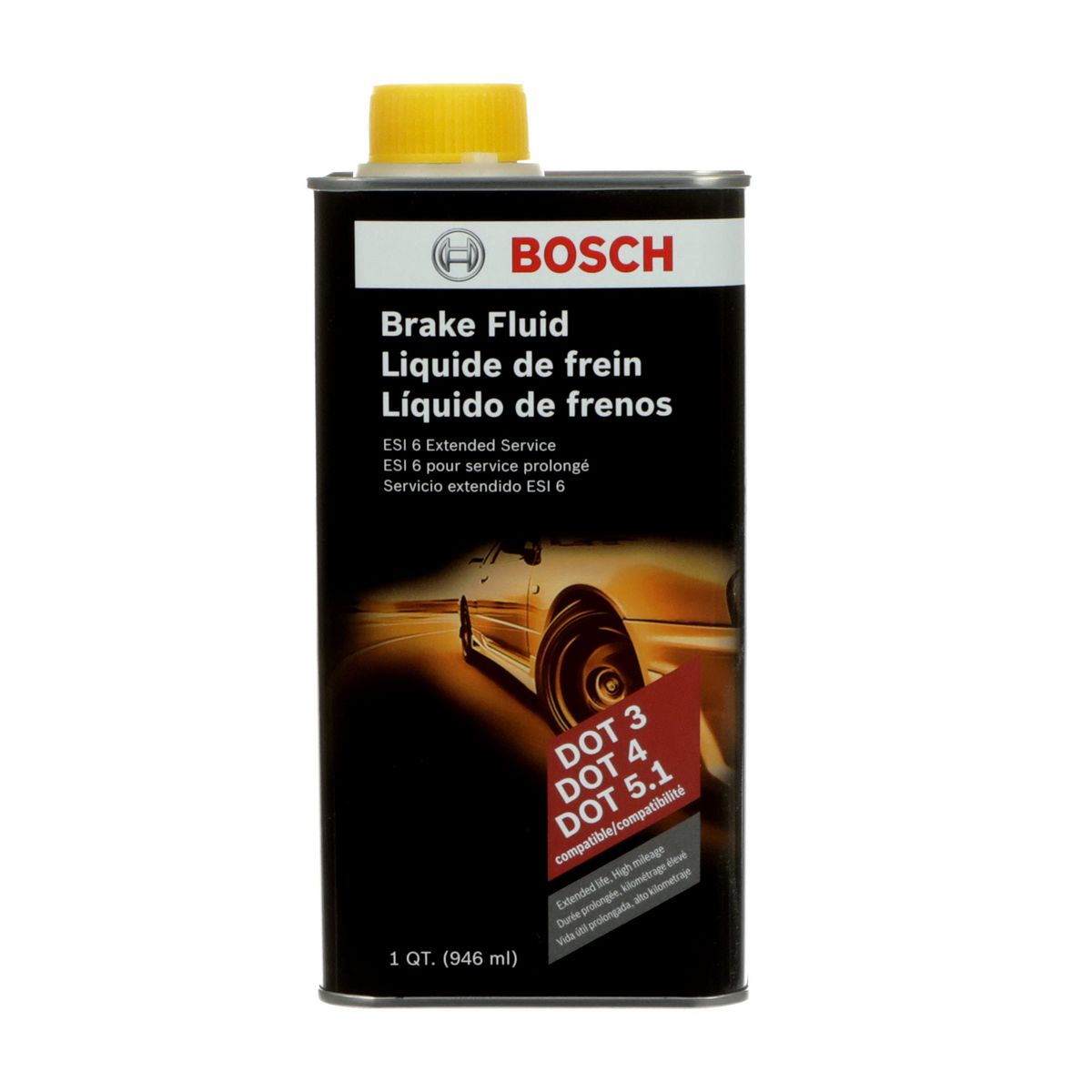
At a Glance
- Price range
- $9 – $21
- Data
- 19,370 verified Amazon reviews across 6 finalists
- Best for
- Daily drivers wanting low-viscosity DOT 4Preventive maintenance for ABS/ESP systemsExtended fluid-change intervals
- Skip if
- Your vehicle requires DOT 5 silicone fluid, not DOT 4.
Types Explained
DOT 3 Brake Fluid
Standard glycol-based fluid for most domestic and older vehicles. Has a dry boiling point around 401°F.
- Widely available at any US auto parts store
- Low cost
- Lower boiling point than DOT 4
- Absorbs moisture faster than higher-spec fluids
Best for: Daily drivers, older domestic cars, light-duty commuting
Example: Prestone AS401
DOT 4 Brake Fluid
Higher-boiling fluid used in many European and performance-oriented cars. Mix of glycol ethers and borate esters.
- Higher boiling point (around 446°F dry)
- Better moisture tolerance
- Compatible with DOT 3 systems
- Small price increase over DOT 3
- May need more frequent changes due to hygroscopic nature
Best for: Late-model cars, spirited driving, European vehicles
Example: Brembo DOT 4
DOT 4 Low Viscosity (LV) Fluid
A specialized DOT 4 formula with reduced viscosity at low temperatures, improving ABS/ESP response.
- Improved cold-weather performance
- Extended service life claims
- Good for modern ABS/ESP systems
- Higher cost than standard DOT 4
- May not be necessary for older cars
Best for: Late-model vehicles with electronic stability control
Example: Bosch ESI6-32N
Racing Brake Fluid
High-boiling-point fluid formulated for track use. Typically DOT 4 with extra additives for extreme heat.
- Very high dry boiling point (often above 520°F)
- Prevents brake fade under heavy use
- Requires frequent bleeding
- Hygroscopic so must be changed often
- Higher cost per ounce
Best for: Track days, autocross, heavy towing
Example: Motul RBF600 (per 500ml)
What Actually Matters
| Factor | Importance | Best brand |
|---|---|---|
DOT Spec Compliance Must match the DOT rating in your owner’s manual; using the wrong fluid can damage seals and degrade braking. Always check your owner’s manual before buying; using DOT 5 in a DOT 3/4 system can cause seal failure. | Must-have | Bosch (wide compatibility) |
Dry Boiling Point Minimum 401°F for DOT 3, 446°F for DOT 4; higher is better for performance driving. A high dry boiling point indicates resistance to fluid boil under repeated hard stops. | Must-have | Motul RBF600 (high boiling point) |
Wet Boiling Point At least 284°F for DOT 3, 311°F for DOT 4; this measures performance after moisture absorption. All brake fluids absorb moisture over time; a high wet boiling point means safer braking as fluid ages. | Must-have | Bosch (good wet boiling point) |
Viscosity at Low Temperature Low viscosity improves ABS/ESP activation in cold climates; not critical for warm regions. If you live in the northern US states, a low-viscosity fluid like Bosch ESI6 can improve pedal feel in winter. | Nice-to-have | Bosch (low viscosity formula) |
Brand Marketing Claims Claims of 'lifetime' or 'extended life' are overblown; all brake fluid degrades and must be flushed every 2-3 years regardless of label. | Marketing BS | — |
Container Size vs. Price Per-ounce cost may make a smaller bottle look cheaper, but you'll often need a full quart for a flush. Don't buy less than you need. | Marketing BS | — |
Budget Tiers & Top Picks
What to buy at each price point — and exactly where spending more stops paying off.
Under $10 – Daily Driver Essentials
$9 – $10 per quartPrestone AS401 DOT 3 Synthetic 32 oz

Stop paying more: At around $10 per quart, you get reliable DOT 3 fluid for most older vehicles. Spending more in this tier rarely yields benefits for a basic commuter car.
When to upgrade: If you experience brake fade during long descents or your manual specifies DOT 4, step up to a mid-range DOT 4.
$10–$18 – Solid DOT 4 Performance
$15 – $18 per quartBrembo L04010 Brake Fluid DOT 4
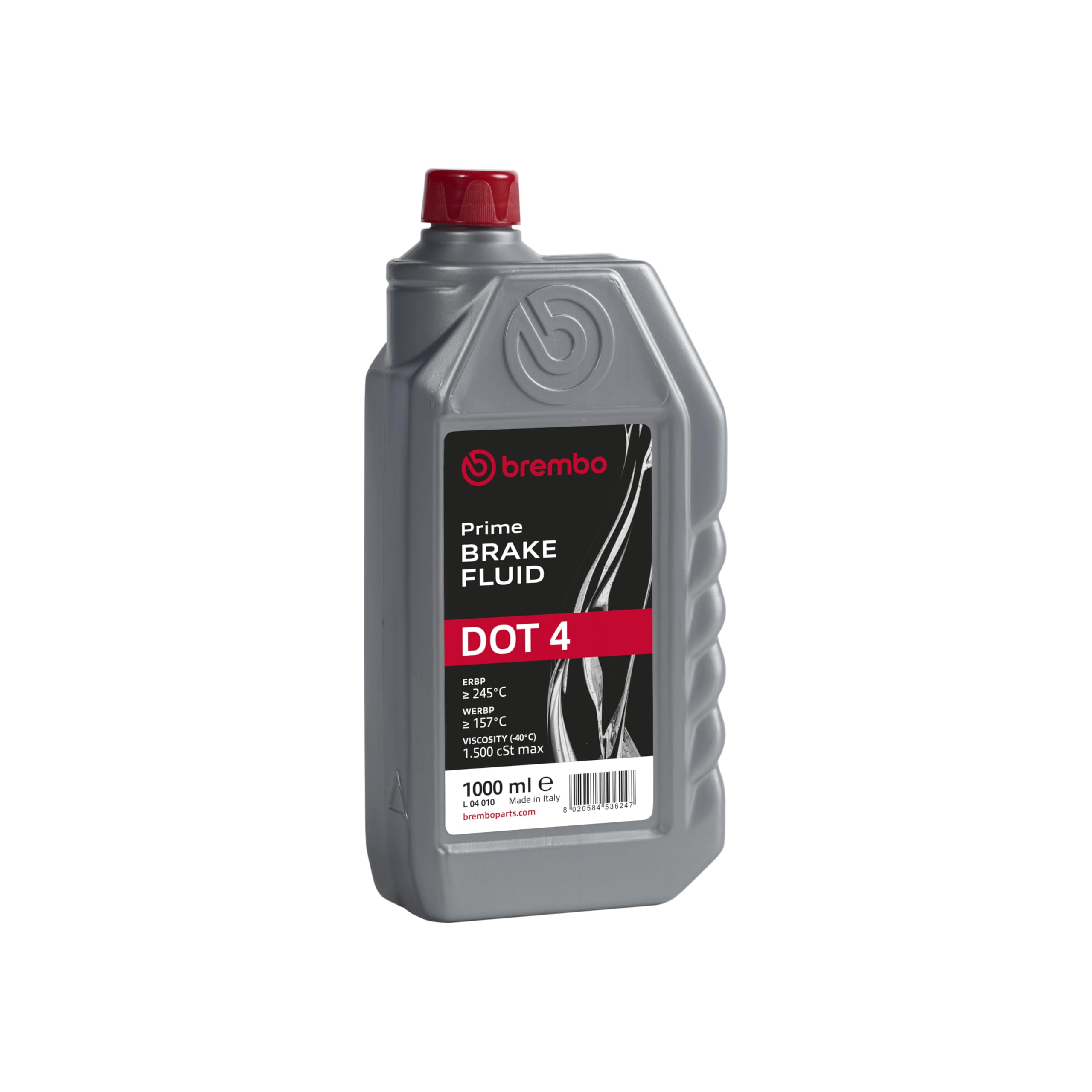
Stop paying more: At ~$18, you get OEM-quality DOT 4 from a legendary brake brand. Stop here unless you visit a racetrack.
When to upgrade: If you notice brake fluid boiling or your DSC/ESP light flickers under hard driving, consider a low-viscosity formula.
$18 – $21+ – Advanced Formulations
$19 – $21 per quartBosch ESI6-32N Low Viscosity Extended Life Brake Fluid

Stop paying more: Paying more than about $20 per quart is only justified if you need racing-grade fluid; the Bosch ESI6 offers top-tier street performance.
When to upgrade: For racing, switch to Motul RBF600, but expect to flush it more often.
Common Mistakes to Avoid
Using DOT 5 Silicone Fluid in a DOT 3/4 System
DOT 5 silicone fluid does not mix with glycol-based fluids and can damage seals, leading to brake failure. Always stick with DOT 3 or DOT 4 unless your car specifically calls for silicone.
Cost of getting it wrong: System flush and seal replacement — $200+.
Overpaying for Racing Fluid on a Daily Driver
Motul RBF600 has a high boiling point but absorbs moisture faster, requiring changes every few months. Daily commuters waste money and effort; a quality DOT 4 like Brembo or Bosch is sufficient.
Cost of getting it wrong: Extra -15 per quart plus more frequent fluid changes — $50+ a year more.
Not Flushing Old Fluid on Schedule
Brake fluid absorbs moisture from the air, lowering its boiling point over time. Even in lightly used cars, fluid should be flushed every 2 years to prevent corrosion and maintain pedal feel.
Cost of getting it wrong: Premature caliper and ABS module failure — $500-$1,500.
Applying Anti-Squeal Paste Directly on Rotor
The anti-squeal paste is meant for the back of brake pads, not the rotor surface. Applying it elsewhere can reduce braking effectiveness.
Cost of getting it wrong: Reduced stopping power and possibly contaminated pads — $60+ for new pads.
Find Your Match
What’s your primary use for the vehicle?
Frequently Asked Questions
What’s the difference between DOT 3 and DOT 4 brake fluid?
DOT 4 has a higher boiling point (around 446°F dry vs 401°F for DOT 3) and better moisture tolerance. Most modern cars specify DOT 4; DOT 3 is common on older domestic vehicles. You can use DOT 4 in a DOT 3 system, but not vice versa.
How often should I change my brake fluid?
Most manufacturers recommend flushing brake fluid every 2 years or 24,000 miles, whichever comes first. Fluid absorbs moisture over time, reducing its boiling point and risking brake fade. Even low-mileage cars should get fresh fluid to protect ABS components.
Can I mix different brands of brake fluid?
Yes, as long as they meet the same DOT specification. Mixing DOT 3 and DOT 4 is generally safe, but avoid mixing DOT 5 silicone with glycol fluids. Stick with one brand when possible to simplify flushing and avoid chemical surprises.
Is synthetic brake fluid better?
Most modern brake fluids are synthetic, meaning they’re chemically engineered for consistent performance. Synthetic DOT 3 or DOT 4 offers better boiling points and moisture resistance than older mineral-based fluids. Always use a synthetic fluid that meets your car’s DOT spec.
Do I need racing brake fluid for my daily driver?
For street use, a quality DOT 4 like Bosch or Brembo provides more than enough heat capacity without the maintenance hassle.
How much brake fluid do I need for a full flush?
Most cars require 1 to 2 quarts (32–64 oz) for a complete system flush. A power bleeder or helper makes the job easier. Always bleed each caliper in the correct order, and avoid reusing opened containers — fluid absorbs moisture quickly.
How we wrote this guide
Our team analyzed 19,370 verified Amazon buyer reviews across 6 finalist brake fluids, watched detailed video breakdowns from Scotty Kilmer and Drive 55, and cross-referenced manufacturer specifications to build this guide. We distilled the basics of DOT ratings, boiling points, and viscosity needs into practical advice for any US driver.
About this guide
Mubboo Editorial Team — independent US-market consumer research. Picks based on 19,370+ verified buyer reviews, video reviews from Scotty Kilmer and Drive 55, and manufacturer specs. Prices update weekly from Amazon and other retailers.