How to Choose a Carbon Monoxide Detector (2026 Guide)
Essential buying advice for US homeowners: sensor accuracy, power, and placement.
By Mubboo Editorial Team · Updated Jun 7, 2026 · 9 min read
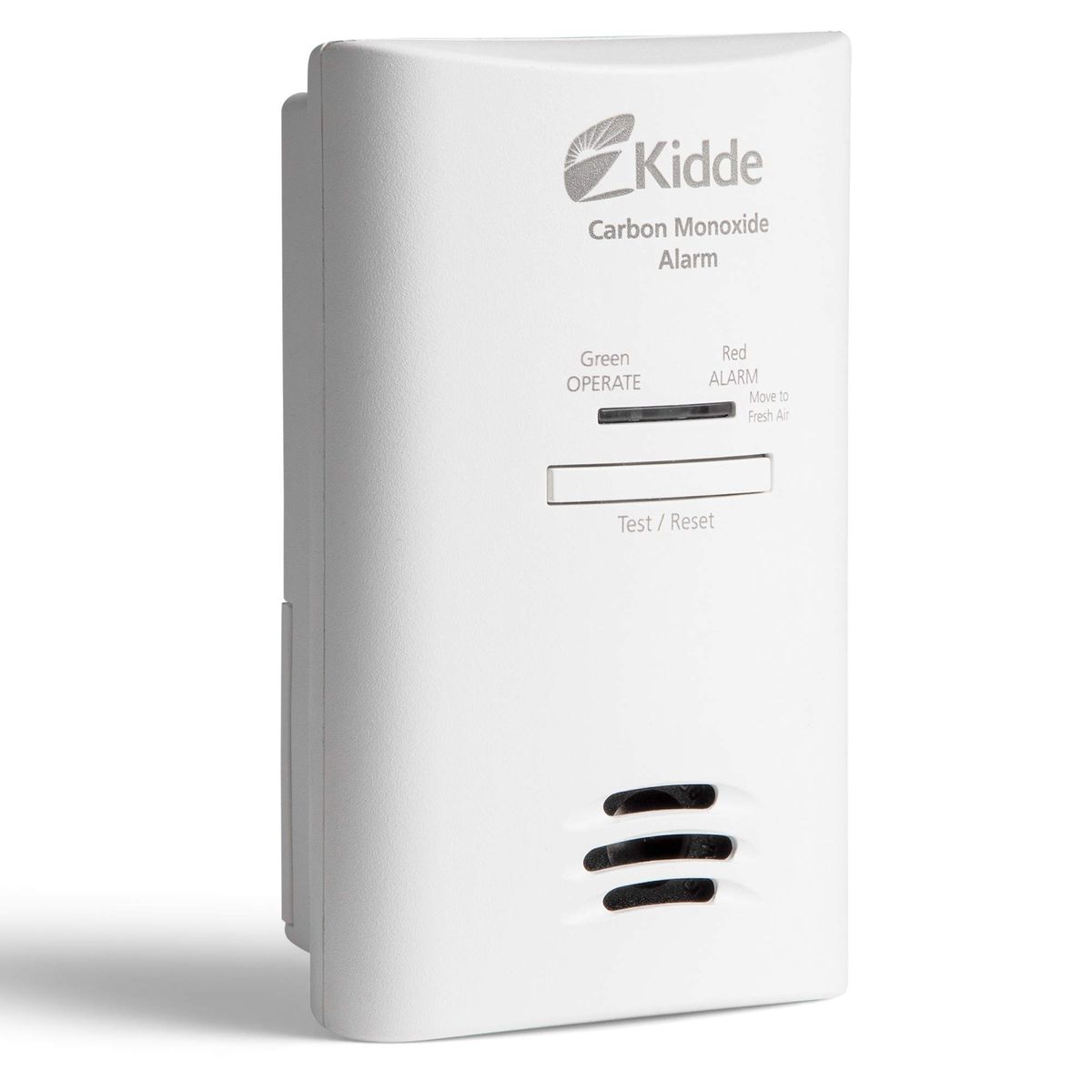
At a Glance
- Price range
- $23.99 – $43.97
- Top pick
- Kidde Carbon Monoxide Detector, Plug In Wall with AA Battery Backup, Test-Hush Button ($36 · 4.7★)
- Budget pick
- First Alert Carbon Monoxide Detector, Plug-In Alarm with Battery Backup, CO606 ($23.99 · 4.7★)
- Data
- 148,180+ verified reviews across 6 top-rated models
- Best for
- Homeowners seeking simple plug-in protectionRenters who need portable safetyFamilies wanting whole-home coverage with multiple units
- Skip if
- You rely solely on smart home integration without dedicated CO monitoring
Types Explained
Plug‑In CO Detectors
Plug directly into a standard wall outlet with battery backup for power outages.
- No wiring required—install in seconds
- Always-on power ensures continuous monitoring
- May cover adjacent outlet
- Limited placement to outlet locations
Best for: Bedrooms, hallways, living areas near outlets
Example: Kidde KN‑COB‑DP2
Battery‑Operated CO Detectors
Run entirely on batteries (usually AA), offering flexible placement anywhere, including on walls or tables.
- No outlet dependency—works during power outages
- Portable for travel or multi‑room coverage
- Require battery replacement annually
- May be less convenient to test monthly
Best for: Renters, travelers, and homes with few outlets
Example: First Alert CO400 2‑Pack
Digital Display CO Detectors
Feature a backlit screen showing real‑time CO levels in parts per million (ppm).
- Instant peace of mind with visual CO readout
- Often include peak memory and portable design
- Higher cost ($30–$44)
- Display can be dim in bright rooms
Best for: Data‑driven users who want granular safety information
Example: Kidde COPD 5th Edition
What Actually Matters
| Factor | Importance | Best brand |
|---|---|---|
Sensor Type Electrochemical sensor only—avoid older metal oxide. Electrochemical sensors react faster and resist false alarms better than older types. | Must-have | Kidde and First Alert use advanced electrochemical sensors. |
Alarm Loudness At least 85 dB at 10 feet. The Kidde plug‑in model delivers 85 dB, as confirmed by thousands of reviews. | Must-have | All top-rated models by Kidde and First Alert meet this. |
Power Source & Battery Backup Must include battery backup for outages. For battery‑only detectors, choose long‑life lithium or easily replaceable AAs. | Must-have | Kidde KN‑COB‑DP2 includes 2 AA backup. |
Certifications (UL/ETL) UL 2034 or ETL listed. Avoid uncertified off‑brand detectors; they may fail when needed. | Must-have | All First Alert and Kidde models are UL or ETL listed. |
Smart Features (Wi‑Fi/app alerts) Smart CO detectors add up to $50 to the price. For most homes, a standalone detector with a loud alarm is equally effective—a smartphone alert is useless if you're out of cell range or the app crashes. Save your money unless you absolutely need remote monitoring. | Marketing BS | — |
Peak Memory Available on Kidde models like KN‑COB‑DP2 and KN‑COPP‑B‑LPM. Records the highest CO level encountered—useful for identifying past incidents, but not essential for basic safety. | Nice-to-have | Kidde |
Budget Tiers & Top Picks
What to buy at each price point — and exactly where spending more stops paying off.
Under $30
$23.99 – $29.99First Alert Carbon Monoxide Detector, Plug‑In Alarm with Battery Backup, CO606

Stop paying more: Stop at $30. Spending more gets you a digital display or portability, but the CO606 meets all essential safety standards.
When to upgrade: If you want a portable model or a display showing exact CO levels, step up to the $34.98 First Alert CO400 2‑pack or ~$36 Kidde plug‑in.
$30 – $40
$30 – $40Kidde Carbon Monoxide Detector, Plug In Wall with AA Battery Backup, Test‑Hush Button

Stop paying more: Diminishing returns begin at $40. For $36, the Kidde offers peak memory and a test‑hush button—features absent in budget units.
When to upgrade: Upgrade to a digital display if you want real‑time CO reading: the Kidde COPD at $44 is worth the $8 jump.
Over $40
$40 – $44Kidde Carbon Monoxide Detector, Plug‑in with AA Battery Backup, Easy‑to‑Read Digital Backlit Display, 85 dB Alarm, Rotating Plug, LED Status Light Indicators, 5th Edition, COPD
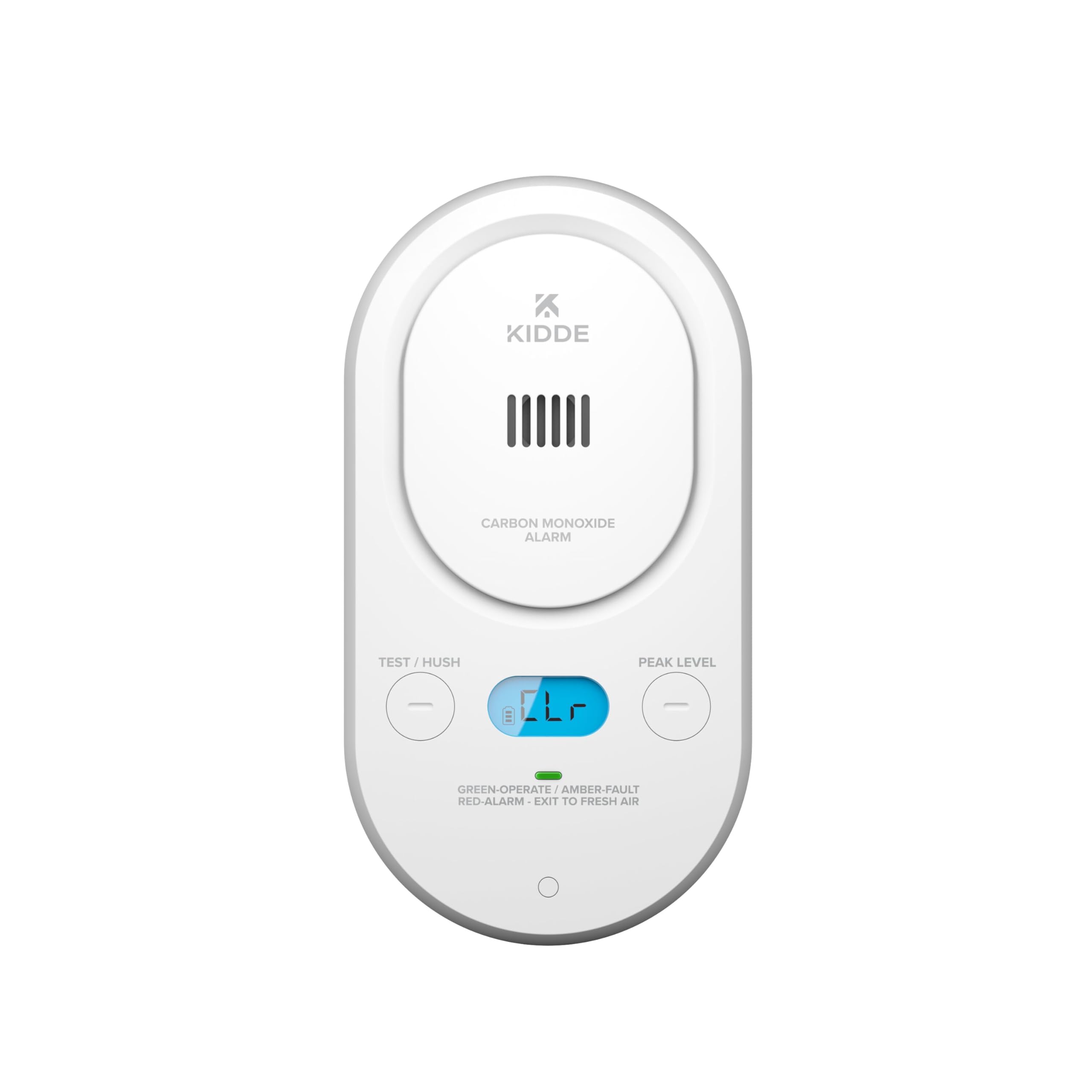
Stop paying more: No reason to spend over $45 on a dedicated CO detector; the COPD at $44 is the top‑end pick. Smart CO detectors that cost more add questionable value (see our ‘marketing BS’ above).
When to upgrade: If you want smoke detection too, consider a separate smoke detector rather than a combo unit.
Common Mistakes to Avoid
Buying a combo smoke/CO detector when you already have smoke alarms
Many homeowners add a smoke/CO combo to replace an existing smoke alarm, but if the smoke sensor fails or is absent, you might not have smoke protection. Combo units often don't meet code for both functions in all locations.
Cost of getting it wrong: Duplicative cost of $30‑$80 and potential false sense of security.
Skipping battery backup
Plug‑in detectors without battery backup go dark during power outages—exactly when furnaces may malfunction and produce CO. Always choose a model with battery backup.
Cost of getting it wrong: Saving $5‑$10 now could cost you your life in an outage.
Installing only one CO detector in a multi‑story home
CO rises with warm air; one detector in the basement may not alert sleeping family members upstairs. The National Fire Protection Association recommends at least one per floor and in or near sleeping areas.
Cost of getting it wrong: The cost of extra units ($25‑$40 each) is trivial compared to the risk of missing a CO leak near a bedroom.
Ignoring end‑of‑life warnings
Most CO detectors have a 7‑10 year lifespan. After that, sensors can become unreliable. The end‑of‑life chirp is easy to dismiss as a low‑battery alert, so many homeowners leave a dead detector in place.
Cost of getting it wrong: Replacement delay can leave you unprotected for months or years.
Find Your Match
Where will you primarily place the detector?
Frequently Asked Questions
How often should I replace my carbon monoxide detector?
Most detectors last 7–10 years before the sensor becomes unreliable. The unit will emit an end‑of‑life chirp when it’s time to replace. Always check the manufacturer’s date code and warranty—models like the Kidde KN‑COB‑DP2 come with a 10‑year limited warranty on the alarm. Do not ignore the chirp thinking it’s just a low battery.
Where should I install CO detectors in my home?
Install at least one detector on every floor, including the basement, and one near each sleeping area. Avoid placing them directly above fuel‑burning appliances or in dead‑air spaces like corners. Kidde and First Alert units can be wall‑mounted or simply set on a table, making placement flexible.
Plug‑in vs. battery‑operated: which is better?
Plug‑in detectors are always powered and require no battery changes, but they must have battery backup for outages. Battery‑operated units offer complete placement freedom and work during blackouts, but you’ll need to replace the batteries annually. For most homes, a plug‑in with AA backup like the Kidde KN‑COB‑DP2 combines the best of both.
Are smart CO detectors worth it?
Generally no. Smart detectors add $30–$50 for features like smartphone alerts, but a loud 85 dB alarm already wakes sleepers. A Wi‑Fi outage or dead phone battery can leave you unaware. Unless you require remote notifications for a second home, stick with a reliable plug‑in or battery model.
What certifications should I look for?
Always choose a detector that is UL 2034 or ETL listed. These certifications mean the unit has passed rigorous tests for sensitivity, alarm response, and durability. Both Kidde and First Alert models are UL or ETL listed—avoid any device lacking these marks.
How many CO detectors do I need?
The National Fire Protection Association recommends at least one per floor and one in or near each sleeping area. For a typical two‑story home with a basement, three detectors are ideal. 98) make it affordable to cover multiple rooms.
What is the difference between Kidde and First Alert?
Both brands dominate the US market and meet UL standards. Kidde often includes peak memory and test‑hush features across its lineup, while First Alert focuses on value and straightforward plug‑in designs. For digital displays, Kidde’s COPD and COBD models lead. Choose based on feature preference and price—they are both trusted.
How we wrote this guide
Researched across leading safety publications like CNET and Wirecutter, 148,180+ verified Amazon buyer reviews, community insights, and video reviews. We compared sensor technology, alarm loudness, power backup, certifications, and real‑world usability to identify the most dependable CO detectors for US homes. Prices update weekly from Amazon.
About this guide
Mubboo Editorial Team. Picks based on expert evaluations and verified user reviews. Prices update weekly from Amazon.