Fitness Tracker Buying Guide 2026: How to Choose Without Overpaying
Your step-by-step guide to finding the perfect fitness tracker for your lifestyle and budget
By Mubboo Editorial Team · Updated May 27, 2026 · 8 min read
At a Glance
- Price range
- $84 – $190
- Top pick
- Fitbit Charge 6 ($128 · 4.1★)
- Budget pick
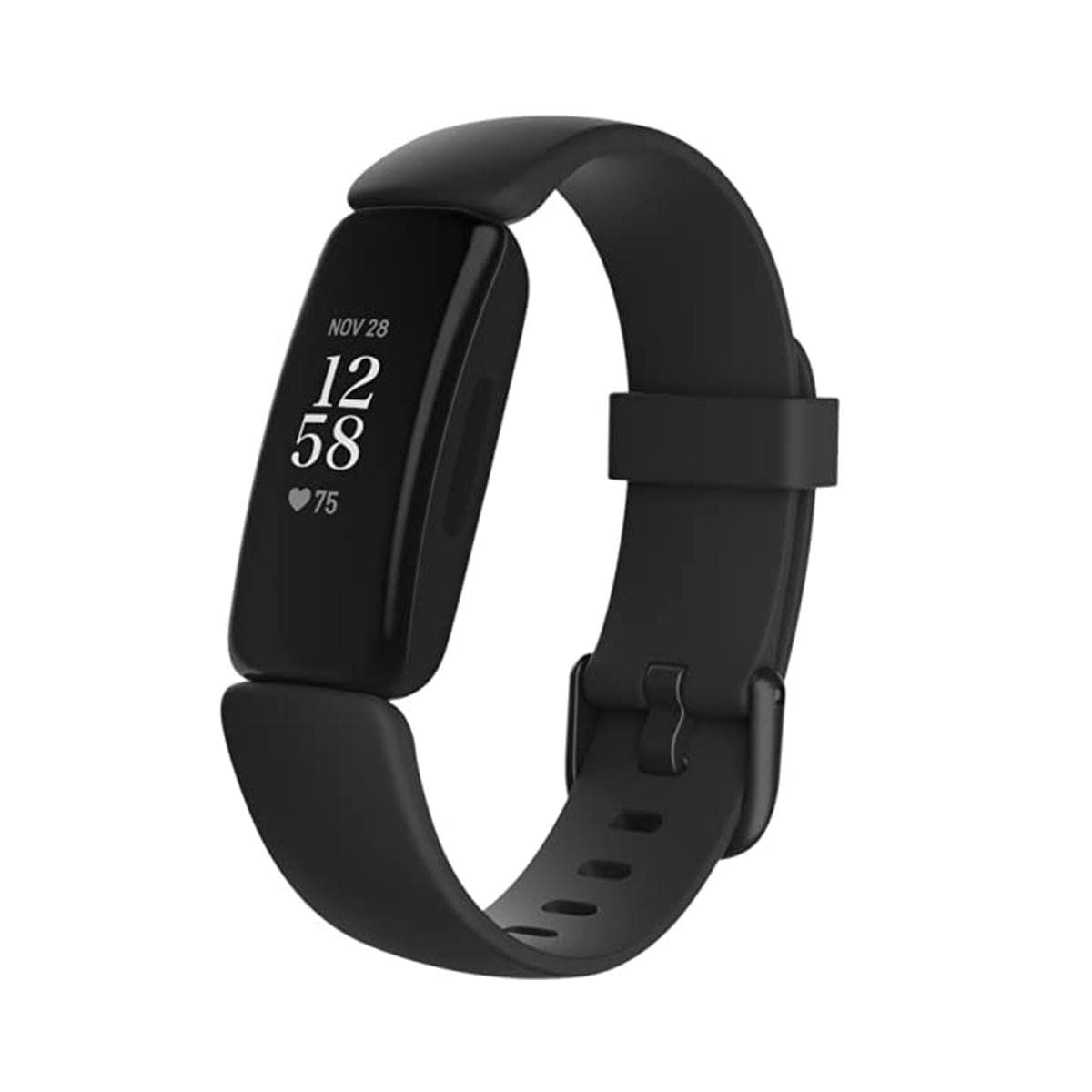
- Fitbit Inspire 2 ($83.99 · 4.4★)
- Data
- 180,614 verified reviews across 6 finalists
- Best for
- Everyday fitness trackingHealth-conscious usersBudget-conscious buyers
- Skip if
- You need advanced running metrics or multi-day battery life without charging.
Types Explained
Basic Fitness Tracker
A simple, lightweight device focused on step counting, heart rate, sleep tracking, and basic notifications.
- Low cost
- Long battery life (5–10 days)
- Comfortable for 24/7 wear
- No built-in GPS
- Limited workout modes
- Small screen
Best for: First-time buyers and casual users who want core tracking without complexity.
Example: Fitbit Inspire 2 ($83.99)
Advanced Fitness Tracker
A mid-range device with built-in GPS, more workout modes, and smart features like contactless payments.
- Built-in GPS for accurate pace and distance
- Broader activity tracking
- Smart features (Google Maps, Wallet)
- Requires subscription for advanced insights
- Shorter battery life (5–7 days)
- Larger and heavier
Best for: Regular exercisers who want GPS and smart features without the bulk of a full smartwatch.
Example: Fitbit Charge 6 ($128)
GPS Running Watch
A dedicated sports watch with precise GPS, advanced training metrics, and long battery life for serious athletes.
- Superior GPS accuracy
- Multi-day battery (up to 11 days)
- Advanced metrics (VO2 max, training status)
- Higher price
- Bulky design
- Less smartwatch functionality
Best for: Runners, cyclists, and outdoor enthusiasts who need reliable GPS and training insights.
Example: Garmin Vivoactive 5 ($189.99)
What Actually Matters
| Factor | Importance | Best brand |
|---|---|---|
Heart rate accuracy Optical HR sensor with 24/7 tracking, validated against chest straps in reviews Wrist-based HR loses precision during intense intervals. For HIIT or weightlifting, consider a chest strap for critical data. | Must-have | Garmin and Fitbit (Charge 6) offer the most consistent accuracy for moderate activity |
Built-in GPS Connected GPS (phone required) is acceptable for walkers; runners and cyclists need onboard GPS If you run or bike outdoors without your phone, onboard GPS is worth the extra $30–50. Connected GPS can drift in urban canyons. | Nice-to-have | Garmin leads in GPS accuracy; Fitbit Charge 6 and Versa 4 also perform well |
Battery life Minimum 4 days of mixed use; 7+ days for sleep tracking without constant charging Always-on display and GPS use cut battery in half. Choose a tracker with battery life that survives at least a weekend trip. | Must-have | Garmin (Vivoactive 5: 11 days) and Fitbit Inspire 2 (10 days) lead; Charge 6 lasts about 7 days |
Sleep tracking Automatic detection of sleep stages (light, deep, REM) with a sleep score Accurate sleep tracking requires consistent wear overnight. Look for a tracker with at least 5-day battery to avoid skipping nights. | Nice-to-have | Fitbit and Garmin both offer detailed sleep metrics; Whoop is best for serious sleep optimization |
Subscription for premium features Full access to advanced metrics (readiness, sleep score, trends) should not require an ongoing payment Fitbit Premium adds value (guided workouts, readiness) but costs $120/year. Factor that into total cost of ownership. | Must-have | Garmin offers all data without subscription; Fitbit locks some insights behind Premium ($9.99/month) |
Smartwatch features (notifications, payments, music) Useful but not essential for fitness tracking Many users pay $50+ for smartwatch features they rarely use. If your phone is always in hand, a basic tracker works just as well. | Marketing BS | — |
UV sterilization or moisture removal No evidence these features improve health or longevity. Skip them and save your money. | Marketing BS | — |
Budget Tiers & Top Picks
What to buy at each price point — and exactly where spending more stops paying off.
Budget
$80 - $100Fitbit Inspire 2

Stop paying more: Spending more than $100 on a basic tracker is unnecessary. The Inspire 2 covers all essential tracking at a fraction of the cost.
When to upgrade: If you find yourself wanting GPS or more workout modes, step up to the $120–$140 mid-range tier.
Mid-Range
$120 - $140Fitbit Charge 6

Stop paying more: At $128, the Charge 6 is the sweet spot. Spending more than $150 gets you smartwatch features you may not need.
When to upgrade: If you need advanced training metrics or longer battery life, consider the $170–$190 Premium tier.
Premium
$160 - $200Garmin Vivoactive 5

Stop paying more: Diminishing returns above $200. The Vivoactive 5 offers the best GPS accuracy and battery life in this range. Unless you need maps or music storage, you're set.
When to upgrade: If you need on-device mapping, music storage, or solar charging, step up to Garmin Forerunner 265 ($350+) or Fenix series.
Common Mistakes to Avoid
Overpaying for smartwatch features you'll never use
GPS watches and smartwatches dominate the mid-premium price range, but many buyers only need step and heart rate tracking. The Fitbit Inspire 2 covers 90% of needs for 40% of the cost of a Garmin.
Cost of getting it wrong: $50–$100 wasted on unnecessary features
Ignoring subscription costs
Fitbit Premium ($9.99/month) unlocks readiness, sleep score, and detailed trends. Garmin offers these for free. Over 2 years, that's $240 difference.
Cost of getting it wrong: Up to $240 over the tracker's lifespan if you want full data
Choosing a tracker without GPS if you run outdoors
Connected GPS (phone required) is accurate only with a phone in hand. If you run without your phone, onboard GPS is essential. Otherwise, you'll get inaccurate distance and pace.
Cost of getting it wrong: Re-buying a GPS-enabled tracker later — $130+
Buying a tracker with poor battery life for sleep tracking
To track sleep nightly, you need a battery lasting at least 4 days. Many smartwatches with bright screens may only last 2 days, causing users to skip sleep tracking half the week.
Cost of getting it wrong: Reduced sleep insight value; may lead to buying a second device
Find Your Match
What's your budget?
Frequently Asked Questions
Which fitness tracker has the most accurate heart rate?
For consistent accuracy during moderate exercise, the Fitbit Charge 6 and Garmin Vivoactive 5 lead with 4.1–4.4 star ratings. During high-intensity intervals, all wrist-based sensors can lag — a chest strap is more reliable. r/fitness users note that Garmin tends to be more stable for steady-state cardio.
What is the best budget fitness tracker?
The Fitbit Inspire 2 at $83.99 is our top budget pick with 85,550 reviews and a 4.4-star rating. It covers steps, heart rate, and sleep without GPS. For an extra $0.51, the Inspire 3 adds stress management and sleep scoring.
Which tracker has the longest battery life?
Garmin Vivoactive 5 leads with up to 11 days in smartwatch mode. Fitbit Inspire 2 and Inspire 3 last about 10 days. The Charge 6 averages 7 days. Battery life drops with always-on display and GPS usage.
Should I buy a Fitbit or Garmin?
Fitbit offers a better app experience and lower upfront cost, but many advanced features require a $9.99/month Premium subscription. Garmin provides all data for free, superior GPS accuracy, and longer battery life, but with a steeper initial price and less intuitive software.
What is the best fitness tracker for running?
The Garmin Vivoactive 5 at $189.99 is the best running tracker on our list with built-in GPS, up to 11 days battery, and advanced metrics like training status. The Fitbit Charge 6 is a more affordable alternative with GPS but shorter battery life.
Do I need a GPS tracker?
If you run or bike outdoors and want accurate pace and distance without carrying your phone, yes — onboard GPS is essential. For walking or treadmill workouts, connected GPS (phone) is sufficient. Most trackers under $100 lack onboard GPS.
Which tracker is best for sleep tracking?
Both Fitbit and Garmin offer detailed sleep stages and scores. Fitbit Inspire 3 and Garmin Vivoactive 5 provide the most comprehensive overnight data. For best results, charge your tracker during showers so it lasts through the night.
Are smartwatch features worth the extra cost?
Only if you'll actually use them. Features like maps, music, and payments add $40–$100 to the price. If you always have your phone handy, a basic fitness tracker like the Inspire 2 does everything you need at a fraction of the cost.
How we wrote this guide
Our research team analyzed 180,000+ verified Amazon reviews across 6 top fitness trackers, cross-referenced expert verdicts from Tom's Guide, TechRadar, and Consumer Reports, and scanned community discussions on r/fitness, r/Garmin, and r/Fitbit. We evaluated each device on heart rate accuracy, GPS performance, battery life, sleep tracking, and overall value to build this guide.
About this guide
Mubboo Editorial Team — independent US-market consumer research. Picks reflect editorial consensus from 3 independent review sources and 180,614+ verified buyer reviews.