Portable Power Stations: How to Choose the Right One for Camping, Home Backup, and Emergencies
A practical guide to capacity, output, and features—so you get the right backup power without overspending.
By Mubboo Editorial Team · Updated Jun 21, 2026 · 8 min read
At a Glance
- Price range
- $199 – $499
- Top pick
- EcoFlow Delta 2 ($449)
- Budget pick
- Anker 521 PowerHouse ($199.99)
- Data
- 25,788 verified reviews analyzed across 6 finalists
- Best for
- Camping and outdoor adventuresHome backup during power outagesRV and van lifeEmergency preparednessOff-grid living
- Skip if
- You need to power an entire house or heavy-duty tools like welders—consider a home standby generator instead.
Types Explained
Ultra-Portable (Under 300Wh)
Lightweight, compact units perfect for charging phones, laptops, and small devices on short trips. Typically under 10 pounds and budget-friendly.
- Weigh under 10 lbs, easy to carry
- Quiet and emission-free
- Budget-friendly, often under $300
- Limited to small electronics like phones, lights
- Cannot run appliances like mini-fridges or CPAP
Best for: Weekend camping, day trips, charging personal devices
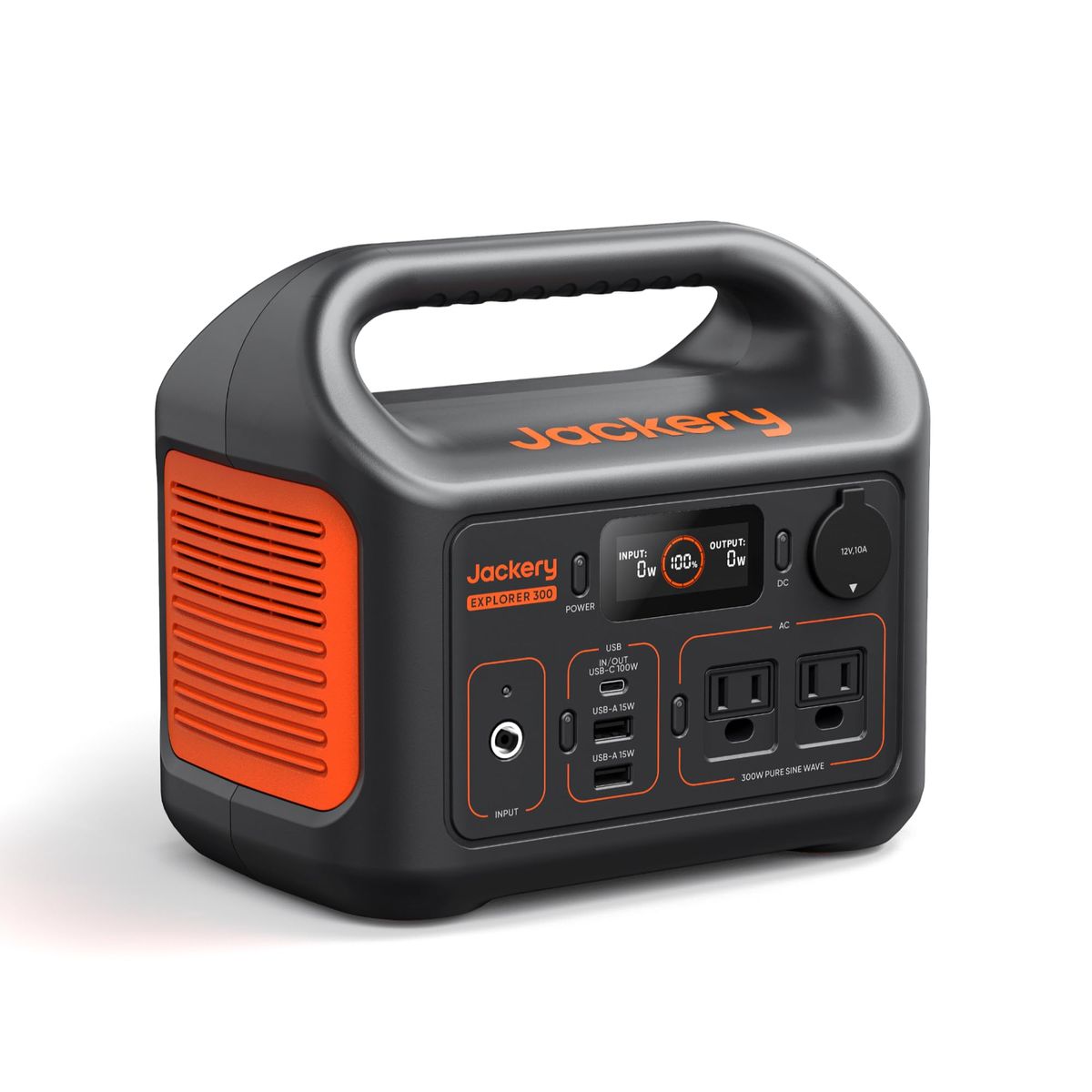
Example: Jackery Explorer 300 and Anker 521
Mid-Range (500-1500Wh)
Versatile stations that can power small appliances, CPAP machines, and multiple devices for days. Weigh 20-30 lbs and offer fast recharge options.
- Enough power for small fridges and power tools
- Better recharge options (AC, solar)
- Often lighter than high-capacity units
- Heavier (20-30 lbs) for portability
- May not run high-wattage appliances continuously
Best for: RV trips, home backup for essentials, week-long camping
Example: EcoFlow Delta 2 and Jackery Explorer 1000 v2
High-Capacity & Expandable (1000Wh+)
Heavy-duty units with high output and the option to add extra batteries, ideal for extended outages and off-grid homes. These are the workhorses of the category.
- Can run most household appliances like full-size fridges
- Expandable capacity up to 3kWh or more
- Very fast charging times (often under 1 hour)
- Heavy (27+ lbs), less practical to move daily
- Higher upfront cost
- Often oversize for casual use
Best for: Home backup, off-grid cabins, job sites
Example: BLUETTI AC180 and EcoFlow Delta 2 with extra battery
What Actually Matters
| Factor | Importance | Best brand |
|---|---|---|
Battery Capacity (Wh) ≥500Wh for overnight trips; ≥1000Wh for home backup A 100Wh fan runs 10 hours; a 60W CPAP runs ~8 hours on 500Wh. Match capacity to your runtime needs. | Must-have | EcoFlow (Delta series 1024Wh) |
AC Output (W) ≥300W for small electronics; ≥1000W for appliances Check your appliance's starting wattage—fridges need 2-3x running wattage briefly. Pure sine wave is essential for sensitive electronics. | Must-have | BLUETTI (AC180 1800W) |
Recharge Speed ≤2 hours for full charge Fast AC recharge is crucial when you need quick top-ups between uses. Solar recharging is slower but sustainable off-grid. | Nice-to-have | Anker SOLIX (58 min full charge) |
Weight & Portability Under 10 lbs for ultralight; 20-30 lbs for mid-range If you hike or move the station often, every pound counts. For car camping or stationary backup, weight is less important. | Nice-to-have | Jackery (7.1 lbs) |
Battery Chemistry LiFePO4 (LFP) only — 3,000+ cycles LFP batteries last 6x longer than standard lithium-ion and are safer. Avoid stations with older Li-ion if you want durability. | Must-have | Anker (LFP across lineup) |
Number of Outlets At least 2 AC outlets + USB-C PD More outlets let you charge multiple devices without power strips. Look for pure sine wave AC and fast USB-C PD. | Nice-to-have | EcoFlow (15 outlets on Delta 2) |
Solar Charging Compatibility 100W+ solar input Solar panels keep your station charged indefinitely off-grid. Check the station's maximum solar input to avoid buying panels that won't speed things up. | Nice-to-have | Jackery (optimized for solar panels) |
Smart App Control Apps can be nice for monitoring, but most stations work fine without them. Often, app features like outage alerts are unreliable. Save your money. | Marketing BS | — |
Military-Grade Durability Claims Most power stations aren't tested to MIL-STD standards. Pay extra for validated waterproofing or ruggedness only if you'll actually drop it from a truck. | Marketing BS | — |
Budget Tiers & Top Picks
What to buy at each price point — and exactly where spending more stops paying off.
Under $300
$199 – $279Anker 521 PowerHouse

Stop paying more: Stop at $300. Spending more in this tier doesn't get you much; the Jackery Explorer 300 at $279 adds 36Wh but remains limited to small devices.
When to upgrade: Need to power a CPAP or cooler overnight? Step up to the mid-range tier for at least 500Wh.
Mid-Range ($300 – $500)
$449 – $499EcoFlow Delta 2

Stop paying more: At $449, the Delta 2 is the sweet spot—fast recharge, high output, and expandable. You can spend $499 for a Jackery or BLUETTI with minor trade-offs, but the core value peaks here.
When to upgrade: Need to run a full-size fridge for days? Add the Delta 2's extra battery ($200) to double capacity, or consider a dual-fuel generator for long outages.
Premium ($500+)
$499 – $499BLUETTI AC180

Stop paying more: At $499, you get top-tier capacity and UPS readiness. Diminishing returns start beyond $600 unless you need whole-home backup, which requires a $2,000+ solar generator system.
When to upgrade: Need even more runtime? Consider a dual-fuel generator for outages exceeding 24 hours, or expandable systems like EcoFlow's ecosystem.
Common Mistakes to Avoid
Buying too small
A 200Wh station can't power a CPAP machine through the night or a cooler for a weekend. Underestimating wattage leads to frustration.
Cost of getting it wrong: You'll end up buying a second, larger unit, essentially spending double.
Ignoring recharge time
Some stations take 6-8 hours to recharge from AC, making them useless during multi-day outages. The Delta 2 can refill in 80 minutes.
Cost of getting it wrong: You'll be without power when you need it most, potentially spoiling food or losing medical device support.
Skipping pure sine wave
Modified sine wave inverters can damage sensitive electronics like CPAPs or laptops. Always confirm pure sine wave output.
Cost of getting it wrong: A fried device can cost hundreds to replace.
Overpaying for a solar panel you won't use
Solar panels add + and bulk. If you're using AC outlets mostly, buy the station alone. Add panels later if needed.
Cost of getting it wrong: You'll waste + on a panel that gathers dust.
Find Your Match
What's your primary use?
Frequently Asked Questions
What size portable power station do I need for camping?
Match capacity to your essential devices.
Can a portable power station run a refrigerator?
For longer outages, consider expandable systems or solar recharging.
How fast do portable power stations recharge?
Charging speed varies widely. 5 hours. Solar recharging depends on panel wattage and sunlight; under ideal conditions, a 100W panel can fill a 500Wh station in 5-8 hours.
What's the difference between LiFePO4 and Li-ion batteries?
LiFePO4 (lithium iron phosphate) batteries last 6x longer (3000+ cycles vs 500) and are safer from overheating. All recommended stations in this guide use LiFePO4. Older lithium-ion degrades faster and poses a fire risk, so avoid them.
How does Mubboo make money from this guide?
We may earn a commission when you buy through our links, at no extra cost to you. Our recommendations are based on rigorous research and verified reviews, not commissions. This guide is independently produced and doesn't accept paid placements.
Are portable power stations safe for indoor use?
Yes, unlike gas generators, these emit no carbon monoxide and can be used indoors. They're silent and produce no fumes. However, never recharge a station with a gas generator indoors, and follow the manufacturer's guidelines for ventilation during charging.
How we wrote this guide
Synthesized from 6 finalists and 25,788 verified Amazon reviews, cross-referenced with expert testing from Wirecutter and Tom's Guide. Prices update weekly from Amazon.
About this guide
Mubboo Editorial Team. Picks based on independent research and verified user reviews. Prices update weekly.