Running Shoes Buying Guide 2026: Sizing, Cushioning & Breathability Explained
Why fit varies model to model even within the same brand, and the hot-weather detail worth checking before your next long run.
By Mubboo Editorial Team · Updated Jul 1, 2026 · 6 min read
At a Glance
- Price range
- $46 – $62
- Data
- 136,000+ verified reviews analyzed across 6 finalists
- Best for
- Daily training runsCasual athletic wearWarm weather running
- Skip if
- You need a dedicated racing flat for competitive events — these are everyday trainers, not race-day performance shoes
Types Explained
Everyday Trainers
General-purpose road running shoes built for regular training mileage without a specialized cushioning focus.
- Versatile for most daily running needs
- Widely available in multiple colorways
- Sizing can vary between specific model versions
- Less cushioning than dedicated max-cushion trainers
Best for: Regular daily training runs
Example: Under Armour Men's Charged Assert 9
Max-Cushion Trainers
Shoes built around a thicker foam midsole stack, prioritizing comfort and shock absorption over ground feel.
- Buyer feedback specifically praises comfort comparable to premium competitors
- Better suited to longer-distance comfort runs
- May run small, so check sizing before ordering
- Bulkier profile than a standard trainer
Best for: Longer runs where comfort matters most
Example: Under Armour Men's Charged Surge 4
Casual Athletic Sneakers
Shoes marketed broadly for athletic and casual wear rather than dedicated running-specific support.
- Lowest price point in this category
- Versatile for everyday casual wear beyond running
- Less running-specific support than a dedicated trainer
- May not hold up as well to regular running mileage
Best for: Casual wear and light activity rather than serious training mileage
Example: Hello MrLin Men's Running Shoes
What Actually Matters
| Factor | Importance | Best brand |
|---|---|---|
True-to-size fit vs. running small Buyer feedback specifically notes some models run small — consider sizing up half a size, especially for long runs Sizing varies model to model even within the same brand — check the specific shoe's buyer feedback on fit rather than assuming your usual size across the whole lineup. | Must-have | Buyer feedback specifically notes needing to size up on the Charged Surge 4 |
Cushioning level matched to use case More cushioning generally suits longer runs and daily comfort; less cushioning suits faster-paced training with more ground feel Buyer feedback specifically describes cushioning as feeling like 'walking on clouds' — a strong sign for daily comfort runners prioritizing comfort over racing speed. | Must-have | Buyer feedback specifically praises the cushioning level as comparable to or exceeding some premium max-cushion competitors |
Breathability in warm weather Check upper material breathability if you run frequently in hot conditions Buyer feedback specifically notes feet getting warm in spring and summer regardless of sock choice — a real consideration if you run in a hot climate. | Nice-to-have | — |
Upper material durability (lace holes, cleaning) Buyer feedback specifically flags plastic lace holes ripping and materials being difficult to clean on some models — a minor but real maintenance consideration. | Nice-to-have | — |
'Race-day' or 'elite performance' claims on an everyday trainer These are everyday training and casual-wear shoes, not competition racing flats — treat performance marketing language as general positioning, not a technical racing specification. | Marketing BS | — |
Generic 'athletic' branding without a specific running use case A shoe marketed broadly as 'athletic, tennis, walking' rather than specifically for running may prioritize general versatility over running-specific support — fine for casual use, less so for serious mileage. | Marketing BS | — |
Budget Tiers & Top Picks
What to buy at each price point — and exactly where spending more stops paying off.
Budget
$46 – $50Hello MrLin Men's Running Shoes

Stop paying more: At this price, you get a versatile casual athletic sneaker — paying more mostly buys running-specific cushioning and support.
When to upgrade: Want a dedicated running trainer? Step up to the mid tier.
Standard Trainer
$50 – $58Under Armour Men's Charged Surge 4
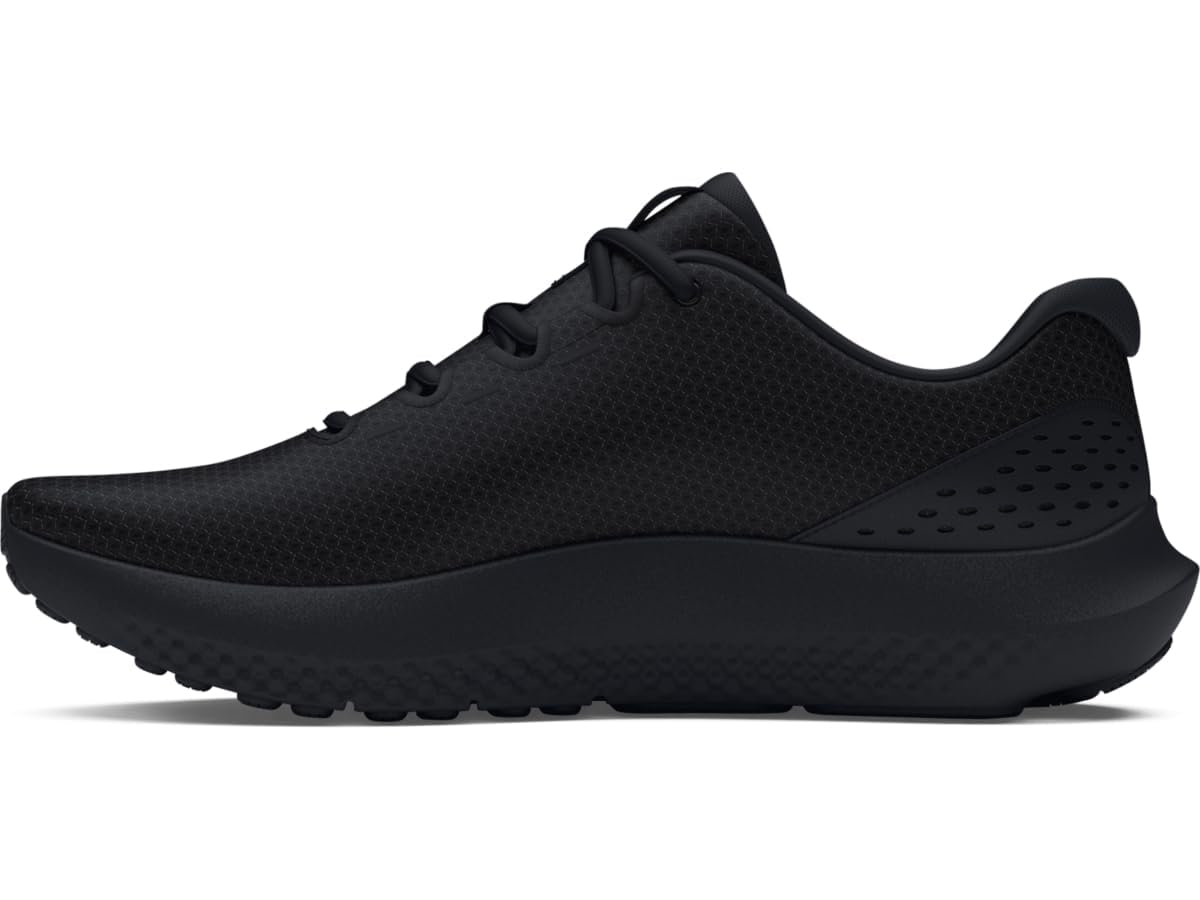
Stop paying more: This tier's max-cushion comfort is the ceiling most daily runners need below the premium tier.
When to upgrade: Want the most-reviewed and highest-rated model? Move to the premium tier.
Premium
$58 and upUnder Armour Men's Charged Assert 9

Stop paying more: 56,000+ reviews and consistently praised cushioning here are the ceiling for buyer-validated confidence in this list.
When to upgrade: There isn't a meaningful step up from here for everyday training — specialized racing flats are the next category, built for competitive events rather than daily mileage.
Common Mistakes to Avoid
Assuming your usual size across every model
Buyer feedback specifically notes some models run small — sizing varies model to model even within the same brand, so check the specific shoe's fit feedback.
Cost of getting it wrong: A shoe that fits tight or uncomfortable, especially on longer runs
Ignoring breathability for hot-weather running
Buyer feedback specifically notes feet getting warm in spring and summer regardless of sock choice — check upper material breathability if you run frequently in hot conditions.
Cost of getting it wrong: Uncomfortably hot feet during warm-weather runs
Choosing a generic 'athletic' shoe for serious running mileage
A shoe marketed broadly for tennis, walking, and casual wear may not offer the same running-specific support as a dedicated running shoe — fine for casual use, less so for regular mileage.
Cost of getting it wrong: Discomfort or reduced support during longer or more frequent runs
Overlooking upper material durability
Buyer feedback specifically flags plastic lace holes ripping and materials being difficult to clean on some models — a minor issue for casual wear, but worth knowing before buying.
Cost of getting it wrong: Visible wear or minor damage developing sooner than expected
Find Your Match
What's your primary use?
Frequently Asked Questions
How much should I spend on running shoes?
Budget athletic sneakers run under $50. Standard training shoes and max-cushion trainers run $54-$62.
What should I avoid when buying running shoes?
Avoid assuming your usual size across every model — buyer feedback notes sizing varies, so check the specific shoe's fit feedback and consider sizing up for some models.
Do running shoes run true to size?
It varies by model. Buyer feedback specifically notes some models run small, recommending sizing up especially for long runs.
How much cushioning do I need in a running shoe?
More cushioning generally suits longer runs and daily comfort; less cushioning suits faster-paced training with more ground feel. Buyer feedback specifically praises some models' cushioning as comparable to premium max-cushion competitors.
Are these shoes good for hot weather running?
Check breathability specifically — buyer feedback notes feet getting warm in spring and summer regardless of sock choice on some models.
Can I use a general athletic sneaker for serious running mileage?
It's better suited to casual use. A shoe marketed broadly for tennis, walking, and casual wear may not offer the same running-specific support as a dedicated running shoe for regular mileage.
How we wrote this guide
Synthesized from 6 finalists and 136,000+ verified Amazon reviews across everyday, max-cushion, and casual trainers. Some listings in this lineup are different colorways of the same underlying shoe model. Prices update weekly from Amazon.
About this guide
Mubboo Editorial Team. Picks based on comparison of sizing accuracy, cushioning, and verified user reviews. Prices update weekly from Amazon.