ZeroWater 23-Cup Dispenser Review: Worth It in 2026?
By Mubboo Editorial Team · Updated Jun 9, 2026 · 7 min read

Mubboo Verdict
🟢 BuyThe ZeroWater 23-Cup Dispenser earns a Mubboo Buy for households with lead, chromium, or PFAS concerns who want proof of water purity at a budget-friendly entry price. It's not for everyone — the slow gravity feed and relatively high replacement filter cost push it out of a general recommendation — but its IAPMO certification and included TDS meter make it a standout for targeted contaminant removal. Skip if you only want to improve taste, or if you need instant filtered water on demand.
Pros
- IAPMO certified to reduce lead, chromium, and PFOA/PFOS — rare at this price
- Large 23-cup capacity suitable for families or daily use without constant refills
- Electronic TDS meter confirms zero TDS output, taking the guesswork out of filter changes
- No installation or electricity needed — fits on any countertop right out of the box
Cons
- Replacement filters cost roughly each, long-term expense higher than Brita-style pitchers
- Slow gravity-fed filtration: filling the dispenser takes several minutes per batch
- Plastic construction feels less durable than metal or glass competitors
Best for: Households with well water, aging pipes, or PFAS concerns who want verification of contaminant removal.
Is this right for you?
Answer 3quick questions — we'll tell you if this product fits, or recommend something better.
What's your primary water quality concern?
What's your budget for a filtration system (including replacement filters)?
Which feature is most important to you?
Key Specifications
| Capacity | 5.4 Liters (23 cups)Standout |
|---|---|
| Filtration Stages | 5-stage (Ion Exchange)Standout |
| Certifications | IAPMO certified for lead, chromium, PFASStandout |
| Filter Life | Varies by tap water TDS; monitor with meter |
| Dimensions | 14.96"L x 5.51"W x 10.63"H |
| Weight | 1.8 Kilograms (3.97 lbs) |
| Material | Plastic |
| Power Source | Manual/Gravity-fed (no electricity) |
| Warranty | 1 year |
| Included Components | Dispenser, 1 filter, TDS meter |
| Smart Home Compatibility | Not Smart Home Compatible |
| Installation Type | Countertop |
Filtration Performance — Breaks Down Contaminants Most Pitchers Miss
9.0/10The ZeroWater dispenser's core strength is its 5-stage ion exchange filtration, certified by IAPMO to reduce lead, chromium, and PFAS (PFOA/PFOS). That certification is what separates it from basic carbon pitchers: independent testing from Water Filter Guru and Dr. G Reviews Products confirms it routinely drops dissolved solids to zero TDS.
For Southwest homeowners on well water or anyone living in an area with known PFAS contamination, this is the main reason to choose ZeroWater. Carbon-only filters like Brita leave many of these contaminants untouched. The included electronic TDS meter isn't a gimmick — it gives you real time feedback on when the filter is exhausted.
Compared to under-sink reverse osmosis systems that cost hundreds more, the ZeroWater dispenser delivers similar contaminant reduction in a no-installation form factor. Trade-offs include slower output and more frequent filter changes, but for apartment renters who can't modify plumbing, it's a practical solution.
If your tap water has heavy metals or PFAS and you want certified reduction without spending over $100, the ZeroWater dispenser is the right pick. If you only taste chlorine, a simpler Brita pitcher will save you money.
Value and Ongoing Costs — Watch the Filter Expense
7.5/10The dispenser itself is priced to move — less than many premium pitchers despite double the capacity. But the real financial picture shifts when you add replacement filters, which run each. In contrast, Brita standard filters cost roughly per filter.
ZeroWater filters exhaust faster in hard water areas. If your TDS reading is above 200, you might go through a filter every few weeks. That can push annual running costs well above rivaling the price of an under-sink RO system over a few years.
For budget-conscious buyers, the ZeroWater dispenser is still worth it if your water quality demands it. The alternative — buying bottled water — quickly exceeds the cost of replacements, and the included TDS meter lets you stretch each filter to its true limit without wasteful early changes.
Calculate roughly how many filters you'll need based on your local water's TDS. If you use more than six per year, the long-term cost may tip the balance toward a different system.
Filtration Speed — Patience Required
7.0/10Gravity-fed filtration is the ZeroWater dispenser's biggest practical drawback. Filling the upper reservoir and waiting for water to trickle through the 5-stage cartridge can take 5–10 minutes for a full batch, depending on filter age and water temperature.
In a busy kitchen, this can mean planning ahead. Coffee enthusiasts who need hot water in 20 seconds will find a gooseneck kettle faster; the dispenser fits better for families who can fill it in the evening for next-day chilled water.
The upside of slow filtration is thorough contact time. Each pass spends longer exposed to the ion exchange media, which helps achieve the zero-TDS result. But if you want filtered water on demand, a powered dispenser or countertop RO system will serve you better.
If you can tolerate a few minutes' wait per batch, the purification quality justifies the speed. If you need filtered water immediately for cooking or drinking throughout the day, look at systems with an electric pump.
Daily Use and Capacity — Family-Size but Counter-Hungry
8.5/10With 23 cups of storage, this dispenser is one of the largest gravity-fed options available. It easily covers drinking water for a family of four, plus filling a coffee maker or water bottles for the day, without constant refills.
The Ready-Pour spigot is a thoughtful feature that lets you dispense water without lifting the unit. It's convenient on a countertop or table. However, the 14.96-inch length and 10.63-inch height mean it takes up more real estate than a typical pitcher, so measure your clearance under cabinets.
Plastic is the build material to keep costs low. This means it's lighter than glass alternatives, but some owners report stress cracks after years of use. For a dorm or rented apartment where weight and breakability matter, the plastic is acceptable; if you want heft and a premium feel, this isn't it.
If counter space is tight, consider a slim pitcher instead. But for households that go through water quickly and value the spigot, the capacity and convenience are worth the footprint.
TDS Meter and Maintenance — Stay On Top of Changes
8.5/10The included electronic TDS meter turns filter replacement from a guessing game into a data-driven decision. Instead of relying on a calendar or a vague taste change, you dip the meter into your filtered water; when it reads above 006, it's time to swap.
The meter is simple to use — no calibration needed out of the box. It's a small addition that makes the ZeroWater system feel more technical and deliberate compared to the "change every two months" stickers on Brita pitchers.
Maintenance beyond filter changes is minimal. Periodic cleaning with mild soap keeps the plastic body fresh, and the spigot hasn't shown widespread leaking issues in reviews. The change-filter indicator on the lid is a helpful visual reminder for household members who might ignore the TDS meter.
If you like gadgets and want proof your water is clean, the TDS meter is a highlight. If you'd rather just swap a cartridge every season without thinking, a simpler system will feel like less work.
What Users Say
4.3★ · 53,119 Amazon reviewsAmazon Buyers
4.3★ · 53,119 reviewsAmong 53,119 verified buyers, the ZeroWater dispenser averages 4.3 stars, with high praise for taste improvement and the included TDS meter. Clean, chlorine-free water is the most common positive theme — many owners report being surprised at how much better their coffee and tea taste. The TDS meter is frequently called a "game changer" because it eliminates guesswork. However, the top complaints revolve around short filter lifespan in hard water areas and the slow pour rate. Some 3-star reviews note that the plastic body can develop stress cracks over time, though the majority of users report years of reliable use.
YouTube Reviewers
Independent YouTube testing, including Water Filter Guru's data-driven comparison of five countertop filters, confirms ZeroWater's strong contaminant reduction but flags ongoing filter costs. The channel's weighted scoring model gives contaminant reduction a 55% weight, and ZeroWater ranked second only to the premium AquaTru system. Dr. G Reviews Products cautions that many popular pitchers (like Brita) leave PFAS untouched, making ZeroWater a meaningful upgrade. Both reviewers agree the dispenser's purity is its standout trait, while the slow speed and expensive replacement cartridges are the trade-offs.
Buy this if…
- Well water households and those with lead/PFAS concerns. IAPMO certification targets contaminants most pitchers ignore, with a TDS meter to verify results.
- Families wanting a large-capacity, countertop dispenser. 23-cup storage and Ready-Pour spigot serve four or more people without constant refills.
Skip this if…
- Your water only has a chlorine taste and you want simple, affordable filtration. → Buy the Brita Standard Water Filter for Pitchers and Dispensers (4-Pack) on Amazon instead — Brita filters cost less per replacement and improve taste effectively, without the slower flow and higher ongoing expense of ZeroWater.
- You need instant filtered water on demand and can’t wait for gravity feeding. → Buy the Brita Standard Water Filter for Pitchers and Dispensers (6-Pack) on Amazon instead — A Brita pitcher with a fast-pour design delivers water immediately; you buy just the filters and pair with an existing pitcher.
Consider These Alternatives
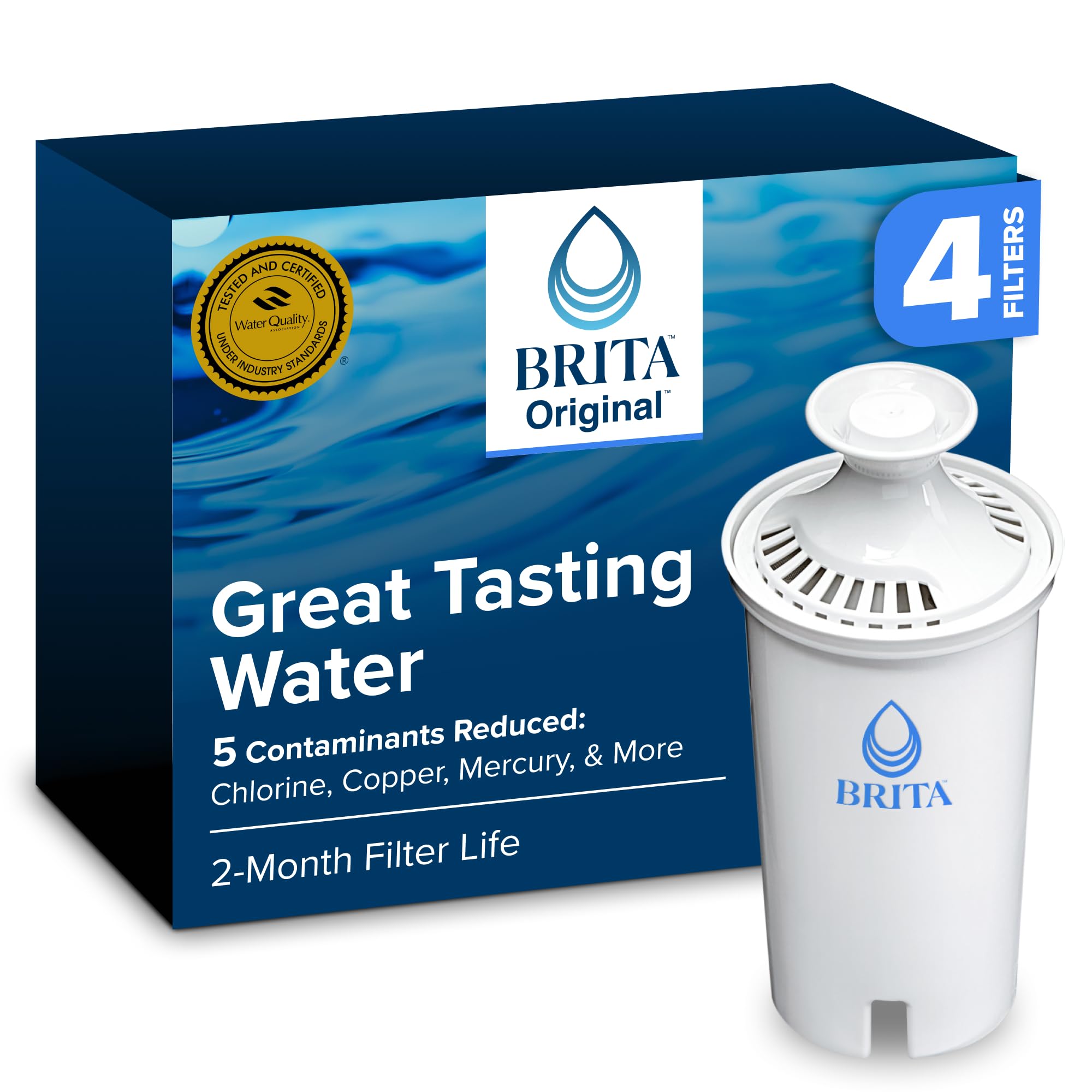
Brita Standard Water Filter for Pitchers and Dispensers (4-Pack)
$20.99
The affordable, widely available filter for basic taste improvement.
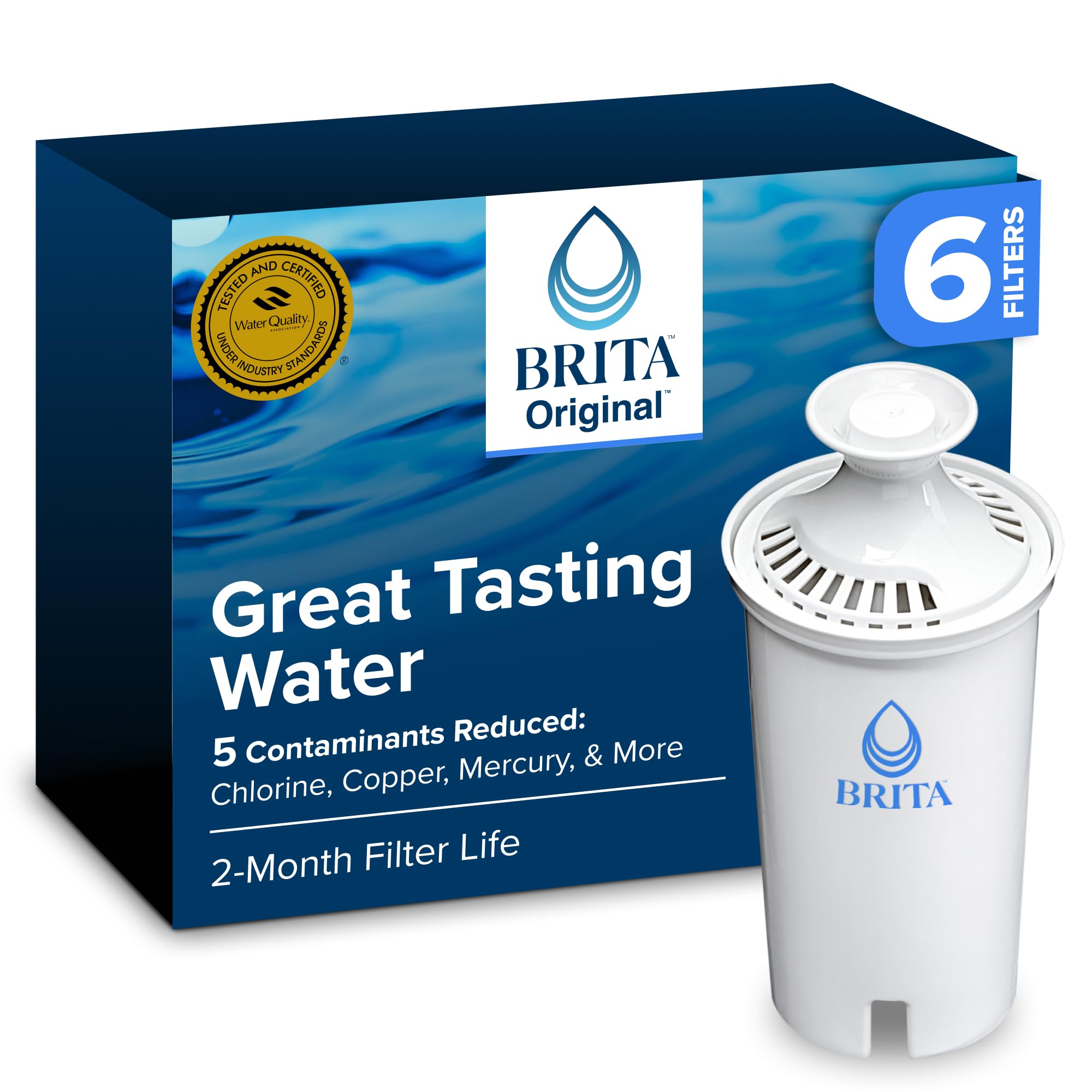
Brita Standard Water Filter for Pitchers and Dispensers (6-Pack)
$28.49
A bulk option for households already committed to the Brita ecosystem.

ZeroWater Official Replacement Filter 2-Pack
$33.14
A must-have accessory if you buy the dispenser; lower per-filter cost in bulk.
Frequently Asked Questions
Is the ZeroWater 23-Cup Dispenser worth the price?
For homes with genuine water quality concerns like lead or PFAS, the dispenser’s IAPMO certification and included TDS meter make the low upfront price a strong value. However, if you only notice a chlorine taste, simpler Brita-style pitchers cost less both up front and in long-term filter replacements. The true cost depends on how fast you go through filters, which varies with your tap water’s starting TDS.
How does the ZeroWater dispenser compare to a Brita pitcher?
ZeroWater targets a wider range of contaminants — lead, chromium, PFOS/PFOA — with IAPMO certification, while standard Brita filters focus on taste, odor, and a few heavy metals. ZeroWater's TDS meter provides ongoing proof of performance. Brita filters are cheaper and faster to replace, but they won't deliver the zero-TDS result that the ZeroWater dispenser achieves.
What problems does the ZeroWater dispenser have?
The main complaints center on slow filtration speed — filling the upper reservoir and waiting for gravity to work can take several minutes. Additionally, replacement filters expire more quickly in hard water areas, driving up running costs. The plastic body can also develop stress cracks over time according to some 3-star reviews, though the majority of owners report years of reliable use.
How often should I replace the ZeroWater filter?
ZeroWater recommends replacing the filter when the included TDS meter reads 006 or above. In areas with moderately hard water, a filter may last 2–3 months, but very high-TDS tap water can exhaust it in as little as 3–4 weeks. Always monitor with the TDS meter rather than relying on a fixed calendar cycle.
Can I use the dispenser for well water?
Yes, the ZeroWater dispenser is suited for well water because it reduces lead, chromium, and other heavy metals often found in private wells. However, well water with high sediment or iron content may shorten filter life dramatically; some owners add an inexpensive pre-filter to extend the main cartridge’s lifespan. Always test your well water first to confirm which contaminants need treatment.
Does the ZeroWater dispenser remove fluoride?
ZeroWater’s 5-stage ion exchange filter does reduce fluoride, along with many other dissolved solids. The brand states that it removes up to 99% of total dissolved solids, including fluoride. If fluoride removal is a specific concern, this dispenser outperforms standard carbon filters that leave fluoride untouched.
About this review
Mubboo Editorial Team. Synthesis based on verified buyer reviews, published specifications, and video test data. Prices update weekly from Amazon.
How we evaluated this product
We evaluated the ZeroWater 23-Cup Dispenser using its IAPMO certification data, 53,119 verified Amazon buyer reviews, and independent video testing from Water Filter Guru and other YouTube reviewers. Our analysis prioritized contaminant reduction claims that are backed by third-party certification, real-world user reports on filter longevity and pour speed, and ongoing cost calculations. No manufacturer data was taken on faith without looking for supporting evidence from buyers.
Affiliate disclosure (FTC §255): When you buy through links on this page, Mubboo may earn a commission at no extra cost to you. See our full disclosure policy.