Prices verified May 28 · Always confirm at the retailer before buying.
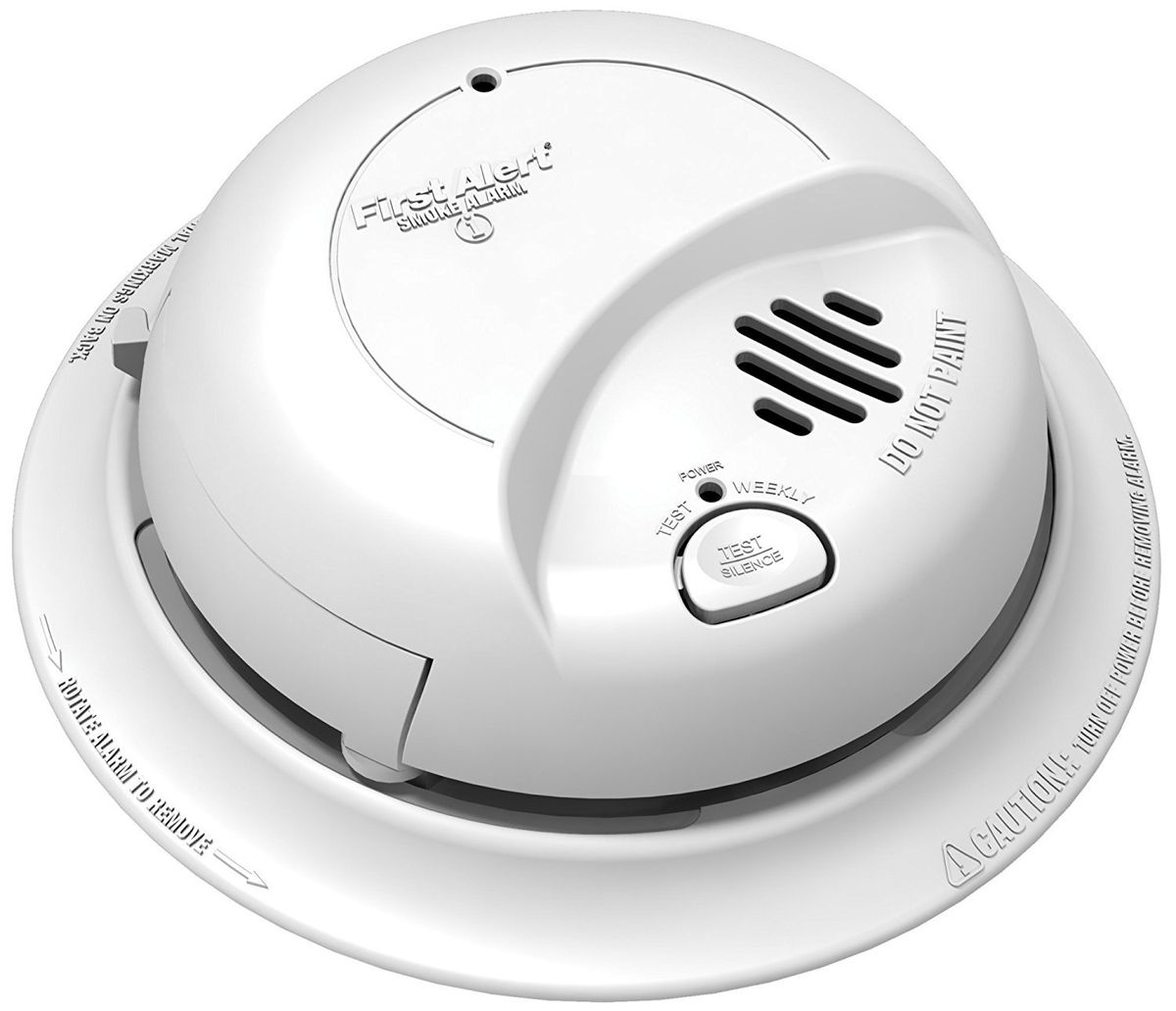
The First Alert 9120BFF wins for homes with existing wiring — hardwired power with a 9V battery backup and interconnectivity cost just $21.29. The SMI110 is better for renters who want a 10-year sealed battery and no installation hassle.
Mubboo Verdict
Winner
First Alert 9120BFF Hardwired Smoke Detector
First Alert 9120BFF Hardwired Smoke Detector vs First Alert SMI110 10-Year Battery Smoke Alarm, side by side
First Alert 9120BFF Hardwired Smoke Detector

Pros:
- Includes 9V battery backup for power outages
- Interconnectable with other BRK and First Alert alarms
- 10-year limited warranty
- 85 dB alarm covers most homes
Cons (honest weight):
- Ionization sensor prone to cooking false alarms
- Hardwired installation may require an electrician
First Alert SMI110 10-Year Battery Smoke Alarm

Pros:
- No wiring needed; installs in minutes
- 10-year sealed battery eliminates chirping and replacements
- Precision Detection reduces false alarms from cooking
Cons (honest weight):
- Cannot interconnect with other alarms
- Higher upfront cost than basic battery alarms
- Lacks battery backup beyond the sealed battery
Where each one wins
8 dimensions scored head-to-head. First Alert takes 4; First Alert takes 2.
| Dimension | First Alert 9120BFF Hardwired Smoke Detector | First Alert SMI110 10-Year Battery Smoke Alarm | Winner |
|---|---|---|---|
| PriceThe hardwired model costs $3.30 less. | $21.29 | $24.59 | First Alert |
| Power SourceBoth provide reliable power; hardwired offers continuous monitoring, battery offers placement flexibility. | Hardwired (120V AC) with 9V battery backup | Battery only (sealed 10-year lithium) | Tie |
| Sensor TypeBoth use ionization sensors, which detect fast-flaming fires effectively but may cause false alarms near kitchens. | Ionization | Ionization | Tie |
| Battery Backup9120BFF's replaceable backup ensures you can change batteries; SMI110's sealed battery lasts the alarm's life but requires whole-unit replacement if it fails. | 9V replaceable battery (powers alarm during outage) | Sealed 10-year battery (no replacement needed, but powers only alarm) | First Alert |
| InterconnectableOnly the hardwired model can link with other alarms to trigger all units simultaneously. | Yes (with compatible BRK/First Alert models) | No | First Alert |
| Nuisance ReductionSMI110's Precision Detection significantly reduces nuisance alarms from cooking, a common complaint. | Standard | Precision Detection (advanced sensing reduces cooking false alarms) | First Alert |
| Warranty9120BFF comes with a 10-year warranty; SMI110 warranty is not disclosed by the manufacturer. | 10-year limited | Not specified | First Alert |
| InstallationSMI110 is far easier to install, ideal for renters or quick replacements. | Hardwired: requires wiring and possibly an electrician | Battery: no wiring, installs in minutes with included hardware | First Alert |
| Overall | 4 wins | 2 wins | First Alert |
Price — The hardwired model is cheaper
The 9120BFF costs $21.29, while the SMI110 runs $24.59. That's a $3.30 difference in favor of the hardwired unit. Both are priced well under $30, making them affordable safety upgrades.
In daily use, the price gap is negligible. The SMI110's higher cost includes the sealed 10-year battery, eliminating battery replacements. Over a decade, the 9120BFF may need a few 9V battery changes (around $5 total).
Budget-minded shoppers should prioritize the 9120BFF if they have existing wiring. Renters or those avoiding installation may find the extra $3.30 worth it for the convenience of the SMI110.
Power Source — Hardwired vs battery
The 9120BFF runs on 120V AC with a 9V battery backup. The SMI110 uses a sealed 10-year lithium battery only. Both provide reliable power, but the hardwired model continues monitoring even if the battery is depleted.
For daily use, hardwired means you never worry about battery life. The SMI110 cannot be hardwired, so it relies entirely on the sealed battery — which lasts the alarm's 10-year lifespan but requires whole-unit replacement if it fails early.
Homeowners with existing wiring should stick with hardwired. Renters or those in temporary housing benefit from the flexibility of a battery-only unit.
Sensor Type — Both ionization
Both detectors use ionization sensors, which are fast at detecting flaming fires. Ionization sensors are slightly more prone to false alarms from cooking steam or smoke than photoelectric models, but they excel at rapid detection.
In a typical home, this sensor choice is adequate for most areas. For kitchen placement, consider a photoelectric or dual-sensor model to reduce nuisance alarms.
If false alarms are a major concern, look for alternatives with photoelectric sensors, like the Kidde 10SDR. For general use, ionization works fine.
Battery Backup — Replaceable vs sealed
The 9120BFF includes a 9V battery backup that can be replaced when low. The SMI110's sealed 10-year battery cannot be changed — you replace the whole unit. This affects long-term maintenance.
In daily use, the 9120BFF's replaceable battery means you can keep the alarm running with a simple $5 battery swap. The SMI110 requires buying a new alarm after 10 years, but you never hear low-battery chirps.
Homeowners who prefer user-serviceable parts should choose the 9120BFF. Those who want zero maintenance for a decade will prefer the SMI110.
Interconnectable — Only the hardwired model links alarms
The 9120BFF can be interconnected with up to 18 compatible BRK or First Alert units. When one alarm sounds, all connected alarms sound. The SMI110 is a standalone unit.
Interconnectivity is critical for whole-home safety. If a fire starts in the basement, alarms on every floor activate, giving you more time to escape. Standalone alarms only alert those nearby.
For multi-story homes or those wanting maximum protection, the 9120BFF's interconnectivity is essential. Renters in small apartments may not need this feature.
Nuisance Reduction — SMI110 excels
The SMI110 features Precision Detection technology that reduces false alarms from cooking smoke. The 9120BFF uses standard ionization without advanced filtering, so it may trigger near stoves.
This matters most in open-concept kitchens or small apartments where the kitchen is near sleeping areas. Frequent false alarms can cause residents to disable detectors — a dangerous habit.
Kitchen-heavy homes or those sensitive to nuisance alarms should lean toward the SMI110. The 9120BFF can be relocated away from the kitchen if necessary.
Warranty — 9120BFF offers 10-year coverage
The 9120BFF comes with a 10-year limited warranty. First Alert does not specify a warranty for the SMI110 in its product documentation. Coverage is a trust signal for long-term reliability.
In practice, a 10-year warranty means the manufacturer stands behind the product for its expected lifespan. The SMI110's lack of stated warranty may concern buyers who plan to keep it for a decade.
If warranty coverage is important to you, the 9120BFF is the safer bet. Both are UL listed, which ensures basic safety standards.
Installation — SMI110 is hassle-free
The SMI110 installs in minutes with just a screwdriver — no wiring needed. The 9120BFF requires connecting to 120V AC wiring, which may need an electrician if you're not comfortable with electrical work.
For daily use, easier installation means you can mount the SMI110 anywhere — hallway, bedroom, or basement — without planning around wiring. The 9120BFF is limited to locations with existing boxes.
Renters or DIY beginners should choose the SMI110 for its simplicity. Homeowners with existing boxes and basic electrical skills can handle the 9120BFF.
Which should you buy?
| Your situation | Pick | Why |
|---|---|---|
| Hardwired Home with Existing Wiring | First Alert 9120BFF Hardwired Smoke Detector | Interconnectable and battery backup make it ideal for whole-home systems. |
| Renter (No Wiring Allowed) | First Alert SMI110 10-Year Battery Smoke Alarm | Battery operation and quick installation, easy to take when moving. |
| Kitchen Mounting (False Alarm Sensitivity) | First Alert SMI110 10-Year Battery Smoke Alarm | Precision Detection reduces nuisance alarms from cooking. |
| Whole-Home Interconnected System | First Alert 9120BFF Hardwired Smoke Detector | Only the hardwired model can link multiple alarms together. |
| Low Maintenance Priority | First Alert SMI110 10-Year Battery Smoke Alarm | 10-year sealed battery eliminates battery changes for a decade. |
| Budget-Conscious Buyer | First Alert 9120BFF Hardwired Smoke Detector | Lower price and replaceable battery reduce long-term costs. |
Interconnectable and battery backup make it ideal for whole-home systems.
Battery operation and quick installation, easy to take when moving.
Precision Detection reduces nuisance alarms from cooking.
Only the hardwired model can link multiple alarms together.
10-year sealed battery eliminates battery changes for a decade.
Lower price and replaceable battery reduce long-term costs.
What if neither is right?
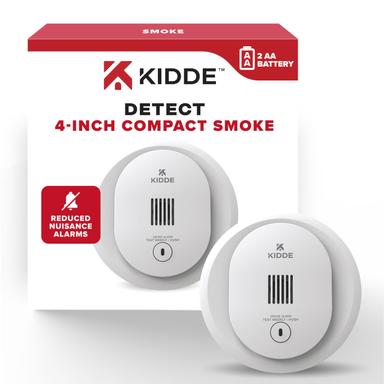
Kidde 10SDR Battery Smoke Detector
$19.88
Best budget option with photoelectric sensor for fewer false alarms
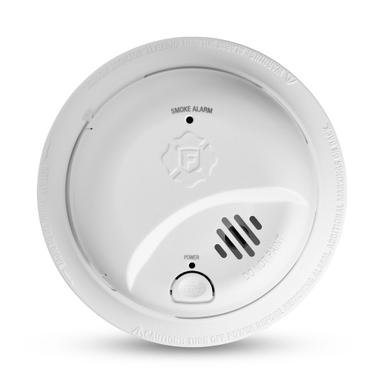
First Alert SMI100 Battery Smoke Alarm 1-Pack
$16.99
Budget version of SMI110 with replaceable 9V battery; shares review pool with 2-pack (4,327 reviews)
Frequently Asked Questions
First Alert 9120BFF vs SMI110: which is better?
The 9120BFF is better for homes with existing wiring and need for interconnectivity. The SMI110 is better for renters or those wanting a no-maintenance 10-year battery. Choose based on your installation situation.
Is the hardwired model worth the extra $3.30?
If you have wiring, yes — you get battery backup and interconnectivity. If you don’t have wiring, the SMI110 is worth the extra for its easy installation and Precise Detection.
Do these detectors meet UL standards?
Both are UL listed. The 9120BFF meets UL 217 (noted in specifications), and the SMI110 meets current UL standards. Always check for the UL mark on any detector.
Which one has fewer false alarms?
The SMI110’s Precision Detection technology significantly reduces nuisance alarms from cooking, making it better for kitchen placement. The 9120BFF uses standard ionization, which can be more sensitive to cooking smoke.
Can these be interconnected?
Only the 9120BFF can interconnect with other BRK or First Alert hardwired units. The SMI110 is standalone and cannot be linked with other alarms.
How long do the batteries last?
The 9120BFF uses a replaceable 9V battery that should be changed yearly. The SMI110 features a sealed 10-year battery that lasts the life of the alarm.
Our comparison is based on product data, expert reviews, and user feedback. We analyzed 27,372 Amazon reviews, consulted CNET's smoke detector testing, and reviewed manufacturer specifications. Prices and availability checked on Amazon May 2026.
Who wrote this and where's the data from?
Mubboo Editorial Team — independent US-market consumer research. This comparison reflects data from Amazon verified reviews, expert sources, and manufacturer specifications.