Denver vs Portland: Which Should You Visit?
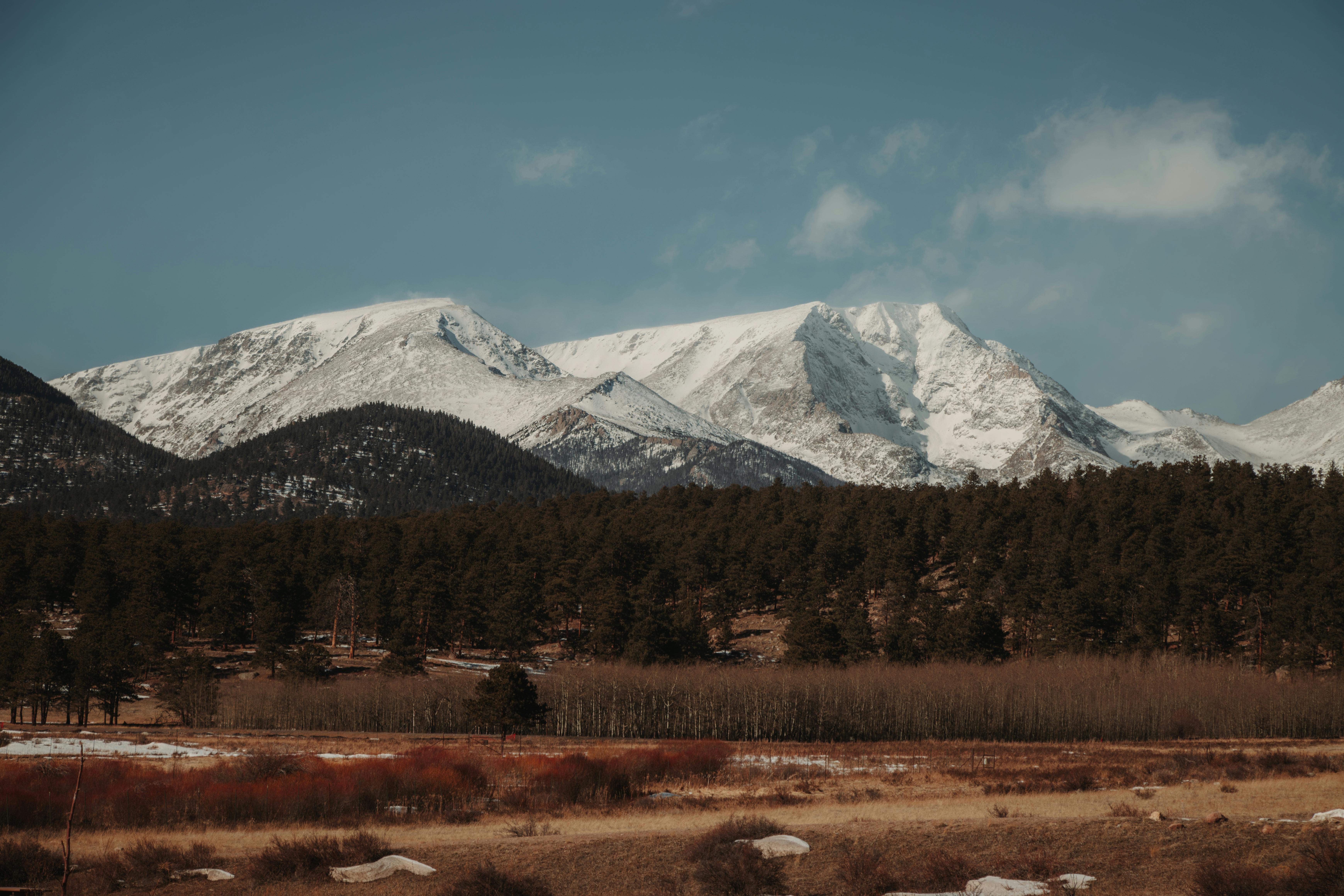
Denver wins for most travelers who come for the outdoors — around 300 sunny days, exceptional skiing within two hours, Rocky Mountain National Park, and the iconic Red Rocks Amphitheatre make it the better mountains-and-sunshine base. Choose Portland, Oregon for a relaxed food-and-beer city break: one of America's best dining scenes built on food carts, a legendary craft-beer culture, no sales tax, and easy access to the Columbia River Gorge and Mount Hood. Both love craft beer and the outdoors, but Denver delivers reliable sun and skiing while Portland brings walkability, value, and gray, drizzly winters. Denver costs a touch more per day; Portland's zero sales tax stretches every dollar. They're a 2.5-hour flight apart for a beer-and-mountains Western combo. Pick Denver for sun, slopes, and the Rockies; pick Portland for the food, the beer, and the value.
Mubboo Verdict: Denver wins for most travelers who come for the outdoors — around 300 sunny days, exceptional skiing within two hours, Rocky Mountain National Park, and the iconic Red Rocks Amphitheatre make it the better mountains-and-sunshine base. Choose Portland, Oregon for a relaxed food-and-beer city break: a superb dining scene, legendary craft beer, no sales tax, and easy Columbia Gorge and Mount Hood access. Denver is the better outdoors base; Portland is the better-value city break.
Prices from 800+ airlines · Book direct, get direct support
The short answer
Pick Denver: Go to Denver for sunshine, exceptional skiing, Rocky Mountain National Park, Red Rocks concerts, and a Rocky Mountain base.
Pick Portland: Go to Portland for one of America's best food scenes, legendary craft beer, no sales tax, and easy Columbia Gorge and Mount Hood daytrips.
Do both: Do both — they're a 2.5-hour flight apart, so split six days between Denver's Rockies and Portland's food and beer for a Western combo.
Denver vs Portland, category by category
| Dimension | Denver | Portland | Winner |
|---|---|---|---|
| Skiing & winter sports | Vail, Breck, Aspen <2h30+ resorts | Mount Hoodone area, smaller | Denver ✓ |
| National parks & high-alpine | Rocky Mountain NP, 14ers~1.5h out | Gorge, Mount Hoodscenic, no NP | Denver ✓ |
| Sunshine & dry weather | ~300 sunny daysdry, crisp air | Gray Oct-Maygreat only in summer | Denver ✓ |
| Iconic live-music venue | Red Rocks Amphitheatrebest in the US | Crystal Ballroomgood, indoor | Denver ✓ |
| Food & dining | Beer halls, green chilesolid, growing | Food carts, James Beardcheap, inventive | Portland ✓ |
| Craft beer | GABF, strong scenea beer capital | Beervana, most per capitaa beer capital | Tie |
| Walkability & no sales tax | Car-reliant, 8% taxsprawl | Bike-friendly, 0% taxflat, compact | Portland ✓ |
| Value (daily cost) | ~$185/day mid-rangeslightly higher | ~$165/day, no taxcheaper | Portland ✓ |
| Overall | Denver wins 4 of 8 categories | ||
Denver
Vail, Breck, Aspen <2h
30+ resorts
Portland
Mount Hood
one area, smaller
Denver
Rocky Mountain NP, 14ers
~1.5h out
Portland
Gorge, Mount Hood
scenic, no NP
Denver
~300 sunny days
dry, crisp air
Portland
Gray Oct-May
great only in summer
Denver
Red Rocks Amphitheatre
best in the US
Portland
Crystal Ballroom
good, indoor
Denver
Beer halls, green chile
solid, growing
Portland
Food carts, James Beard
cheap, inventive
Denver
GABF, strong scene
a beer capital
Portland
Beervana, most per capita
a beer capital
Denver
Car-reliant, 8% tax
sprawl
Portland
Bike-friendly, 0% tax
flat, compact
Denver
~$185/day mid-range
slightly higher
Portland
~$165/day, no tax
cheaper
Denver wins 4 of 8 categories
Budget face-off (4 days, 3 nights)
| Per person / day | Denver | Portland |
|---|---|---|
| Budget | $110/day | $95/daycheaper |
| Mid-range | $185/day | $165/daycheaper |
| Comfort | $370/day | $330/daycheaper |
| Flights from NYC | Nonstop from NYC (JFK/EWR) to DEN, ~4h30m, from $140 round-trip | Nonstop from NYC (JFK/EWR) to PDX, ~6h, from $200 round-trip |
Portland wins on cost: Portland is cheaper by roughly $20 a day mid-range, helped by Oregon's zero sales tax on everything you buy.
Compare prices month by month:
Search flights & hotels to Denver
Search flights & hotels to Portland
The dimensions that decide it
The mountains: skiing & national parks
Denver
Denver's whole pitch is the Rockies on your doorstep, and for snow it's unmatched. Exceptional resorts — Vail, Breckenridge, Keystone, and Aspen — sit one to two hours west on I-70, so a ski day is genuinely a daytrip, and the season runs deep from December into spring.
In summer, Rocky Mountain National Park is about 90 minutes out, with high-alpine trails, fourteen-thousand-foot peaks, and Boulder's foothills offering quick hikes. The altitude means you start at 5,280 feet and climb fast, so acclimatize before a big effort.
For a trip organized around skiing or fast access to genuine high country, Denver is the better base, full stop — no major US city puts exceptional slopes this close.
Portland
Portland's mountains are about rivers, waterfalls, and a single volcano rather than a wall of ski resorts. The Columbia River Gorge, 30 minutes east, is the headline — a dramatic canyon laced with waterfalls including Multnomah Falls, plus hiking and windsurfing.
Mount Hood, about 90 minutes out, offers year-round skiing and alpine trails, and the Oregon Coast is roughly two hours west. Within the city, Forest Park is one of the largest urban forests in the country.
It's a superb base for waterfalls, a volcano, and Willamette Valley wine country, but it lacks Denver's density of ski resorts and the marquee national-park access that defines a Rockies trip.
Denver wins clearly — exceptional skiing within two hours and Rocky Mountain National Park outclass Portland's gorge and Mount Hood.
Food, beer & coffee
Denver
Denver's scene is solid and improving, led by its beer. It's one of America's craft-brewing capitals, home to the Great American Beer Festival and a dense map of taprooms, and the brewery crawl is a legitimate Denver activity.
The food has grown up — Southwestern flavors, green chile, strong tacos, and a wave of ambitious restaurants in RiNo and LoHi — but it's a younger scene without a signature cuisine. Coffee is good, not iconic.
You'll eat and drink well in Denver, especially if beer is your thing, but the dining lacks the depth, the food-cart culture, and the value that make Portland a destination for eaters specifically.
Portland
Portland is one of America's great eating cities, and it delivers at every price point.
The food-cart pods — clusters of dozens of trucks serving everything from Thai to Georgian — are a genuinely unique format, cheap and inventive, while the sit-down scene racks up James Beard recognition year after year.
The beer rivals anywhere, earning the 'Beervana' nickname with the most breweries per capita, the coffee is third-wave serious, and Oregon's lack of sales tax quietly makes every meal and pint cheaper. On beer the two cities are a genuine draw, both bona fide capitals.
But for food range, invention, and value, Portland is the stronger destination for travelers who plan a trip around eating.
Portland wins on food range and value; on craft beer the two are a genuine tie, both among America's best.
Weather & sunshine
Denver
Denver's climate is a major selling point. The city claims around 300 sunny days a year, the air is dry, and even cold winter days are often bright and clear — great for skiing under blue skies.
Summers are warm, with highs near 90°F in July, but low humidity keeps it comfortable, though fast-moving afternoon thunderstorms are common. Spring and fall deliver crisp, sunny stretches ideal for hiking. The altitude makes the sun intense, so sunscreen matters year-round.
For travelers who plan trips around reliable sunshine and dry air — and who don't mind a winter cold snap or a sudden mountain storm — Denver is one of the surer bets in the country.
Portland
Portland shares the Pacific Northwest's gray, and it's the trip's biggest variable. From October through May the city is frequently overcast and drizzly, with short, dim winter days, and December is its wettest month.
The rain is more persistent than torrential, but the lack of sun can wear on visitors expecting blue skies. The flip side is a genuinely lovely summer: July and August turn dry, warm, and sunny near 83°F, with long evenings perfect for patios and the Gorge.
The lesson is to time it right — a summer Portland trip rewards you with great weather, but outside that window, Denver's dependable sunshine is the clear advantage.
Denver wins on year-round sunshine; Portland only matches it in its dry, lovely summer.
Value, walkability & vibe
Denver
Denver is a likable, sporty, sun-soaked city, but it asks you to drive and spreads out quickly. Downtown's LoDo and Union Station are walkable and pleasant, the five pro sports teams and Red Rocks concerts give it real energy, and the brewery scene is dense.
But the metro sprawls into car-dependent suburbs, public transit is thin for visitors, and a rental car is essentially required to reach the mountains anyway. Prices run a touch higher than Portland's, and Colorado's sales tax adds up.
Denver's appeal is really the access it provides — to slopes, peaks, and sunshine — more than a compact, walk-everywhere city experience.
Portland
Portland is the easier city to enjoy on foot and on a budget. It's flat, compact, and famously bike-friendly, so you can skip the rental car and still cover a lot, and the neighborhoods — the Pearl District, Hawthorne, Division — reward slow wandering between food carts, bookstores, and taprooms.
Oregon charges no sales tax, so every meal, pint, and purchase is a little cheaper, and lodging undercuts Denver's. The vibe is laid-back, indie, and unpretentious.
The trade-off is fewer marquee outdoor draws and grayer weather, but for a relaxed, walkable, good-value city break, Portland consistently overdelivers where Denver points you out of town.
Portland wins on value and walkability — flat, bike-friendly, and tax-free beats Denver's sprawl and car reliance.
Which one is right for you?
Made your choice? Search flights:
Why not both?
Feasibility
Feasible — about 1,000 miles apart, a 2.5-hour nonstop flight.
Getting between them
Nonstop flights from around $80 one-way; a domestic flight is the only practical link between them.
Suggested split
3 nights Denver for the Rockies, 3 nights Portland for the food and beer.
Combined budget
$1,800-3,200 per person
Plan 6 days total.
Plan the combined trip →When to go
Denver — best
March-May and September-November bring mild, sunny days; December-March is prime ski season in the nearby Rockies.
Portland — best
April-June and September are mild and drier; July-August turn warm, dry, and sunny near 83°F.
Sweet spot for both: September-October is excellent in both — Denver turns crisp and golden while Portland stays dry and warm.
Avoid: Skip Portland's gray, wet December and Denver's coldest January days if you don't ski.
Getting there from the US
| From | Denver | Portland |
|---|---|---|
| New York | Nonstop from NYC (JFK/EWR) to DEN, ~4h30m, from $140 round-trip off-peak | Nonstop from NYC (JFK/EWR) to PDX, ~6h, from $200 round-trip off-peak |
| Los Angeles | LAX to DEN nonstop, ~2h30m, from $90 round-trip | LAX to PDX nonstop, ~2h30m, from $90 round-trip |
| Chicago | ORD/MDW to DEN nonstop, ~2h45m, from $110 round-trip | ORD to PDX nonstop, ~4h30m, from $150 round-trip |
| Airlines | United (Denver hub), Southwest, Frontier (based in Denver), Delta, American | Alaska (big PDX presence), Delta, United, Southwest, American |
| Flight time | ~4h30m from New York, ~2h45m from Chicago, ~2h30m from LA | ~6h from New York, ~4h30m from Chicago, ~2h30m from LA |
Denver vs Portland FAQ
Is Denver or Portland more expensive?
Portland is slightly cheaper — about $165 a day mid-range versus $185 in Denver, helped by Oregon's zero sales tax, so the price you see is what you pay. Denver's lodging and dining run a touch higher. Transfer Chase Ultimate Rewards or Amex points to United or Alaska to trim either fare.
Which is better for the outdoors?
Denver, for mountains and snow. Vail, Breckenridge, and Aspen sit within two hours, Rocky Mountain National Park is about 90 minutes out, and the dry, sunny climate suits year-round activity. Portland counters with the Columbia Gorge and Mount Hood, beautiful but without Denver's ski access or national-park proximity.
Can I visit both Denver and Portland in one trip?
Yes — they're about 1,000 miles and a 2.5-hour nonstop flight apart. A domestic flight is the only practical link; pair them with six days, three nights each, for a beer-and-mountains Western combo. Fly into one and out of the other to avoid backtracking.
Which has better food and beer?
Portland for food, narrowly — its food-cart pods and James Beard-level restaurants run deep and cheap. On beer it's nearly a tie: Portland is 'Beervana' with the most breweries per capita, while Denver hosts the Great American Beer Festival. For everyday dining value, Portland edges it.
Do I need to worry about Denver's altitude?
A little. At 5,280 feet, some visitors feel short of breath or headachy the first day. Drink extra water, ease up on alcohol, and don't tackle a 14,000-foot peak on day one. Most people adjust within 24-48 hours. Portland, near sea level, poses no such issue.
When is the best time to visit each?
Visit Denver March-May and September-November for mild, sunny days, with December-March prime for nearby skiing. Portland is best April-June and September, plus warm, dry July-August; skip its gray December. Both shine in early fall.
Plan either trip
Denver
More comparisons
Some links on this page are affiliate links, at no extra cost to you.